
The government of South Africa on Monday, February 2, 2026, announced that it has cut power supply to the Nigerian High Commission in the country.
It was gathered that South Africa cut power supply to the Nigerian High Commission over alleged unpaid electricity bills.
The City of Tshwane, which governs Pretoria, took the step as part of its aggressive #TshwaneYaTima campaign.
This initiative aims to recover billions of rands in outstanding utility debts from residents, businesses, and even high-profile diplomatic missions.
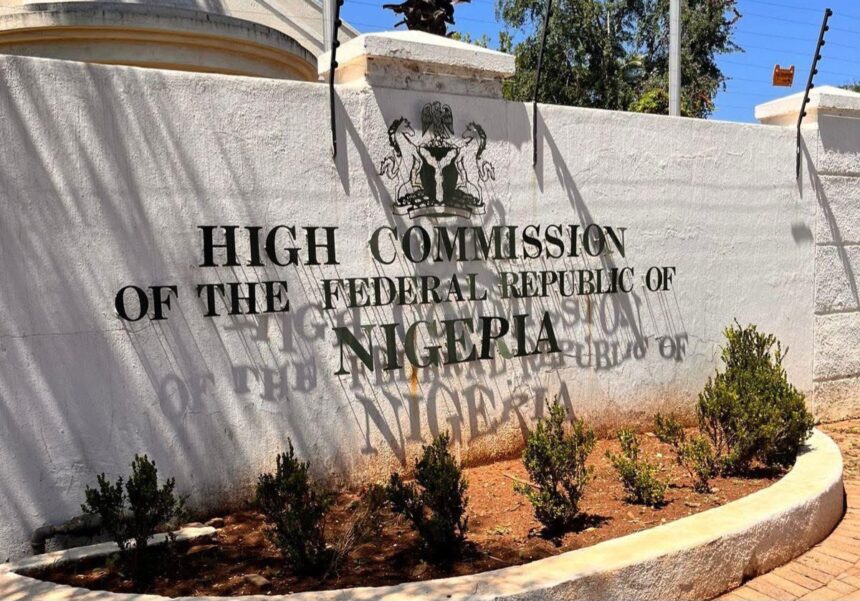
The news broke when the Executive Mayor of Tshwane, Dr. Nasiphi Moya, shared a photograph of the mission building on X (formerly Twitter), confirming the disconnection.
The post was accompanied by a photograph of the Nigerian High Commission building in Pretoria, showing the city’s enforcement action against the mission.
“#TshwaneYaTima: We’ve disconnected electricity at the High Commission of the Federal Republic of Nigeria. They owe the city for utility services,” the mayor wrote.
Meanwhile, just a few hours after South Africa cut power supply to the Nigerian High Commission, Moya indicated that the city would restore electricity after the outstanding debt was addressed, thanking the Nigerian High Commission for honouring its financial obligations to the municipality.
“We thank the High Commission of the Federal Republic of Nigeria for honouring its debt to the city. The city will reconnect electricity,” the mayor said in a follow-up communication.
Meanwhile, Nigeria’s High Commission has not commented on the incident as of press time. However, the swift settlement of the debt and restoration of electricity suggest efforts to promptly resolve the matter and avert any diplomatic complications.
This development comes as several Nigerian embassies and high commissions have been operating without substantive ambassadors since President Bola Tinubu assumed office in May 2023.
While the president recently approved a list of ambassadorial nominees to fill the vacancies, a significant number of those appointed are yet to be formally posted to their respective countries to resume duties.
Some diplomats have pointed out that the absence of ambassadors in many missions might have weakened administrative oversight and slowed decision-making, including on routine obligations such as rent, utilities, and staff welfare.