
Over 170,000 current and former students have begun the journey of taking legal action against UK universities over learning methods used during the Covid-19 pandemic.
The collective lawsuit is centered on the “bait and switch” of moving to online classes during the COVID-19 pandemic.
It was gathered that the students in the legal action against UK universities are seeking significant compensation for what they claim was a diminished educational experience.
The core of the legal argument rests on breach of contract. Claimants argue that they paid full tuition fees for an experience that was promised to be in-person but delivered via a laptop screen.
The move for legal action was announced in letters that the students addressed to 36 UK universities.
This comes as Universities UK, which represents over 140 institutions, defended the schools, saying the pandemic was an “unprecedented challenge” and that universities had to “adapt to a fast-changing situation.”
“During some periods of lockdown, universities were not permitted to offer in-person teaching as usual, and instead they adjusted quickly and creatively to allow students to complete their degrees,” a spokesperson said.
It reported that the government had stated at the time that universities were responsible for setting their own fees and expected them to continue delivering a high-quality education.
Pan-Atlantic Kompass also reports that the mass legal action against the UK universities by the 170,000 students follows a confidential settlement between University College London and the Student Group Claim.
It was gathered that the deal has now opened the way for large-scale legal action against the university sector.
The new claims target universities including Bristol, Birmingham, Leeds, Liverpool, Newcastle, and Manchester.
The claims focus on the tuition fee difference between courses delivered online and those offered in person, and an economic analysis of the lost learning will form the basis of the cases.
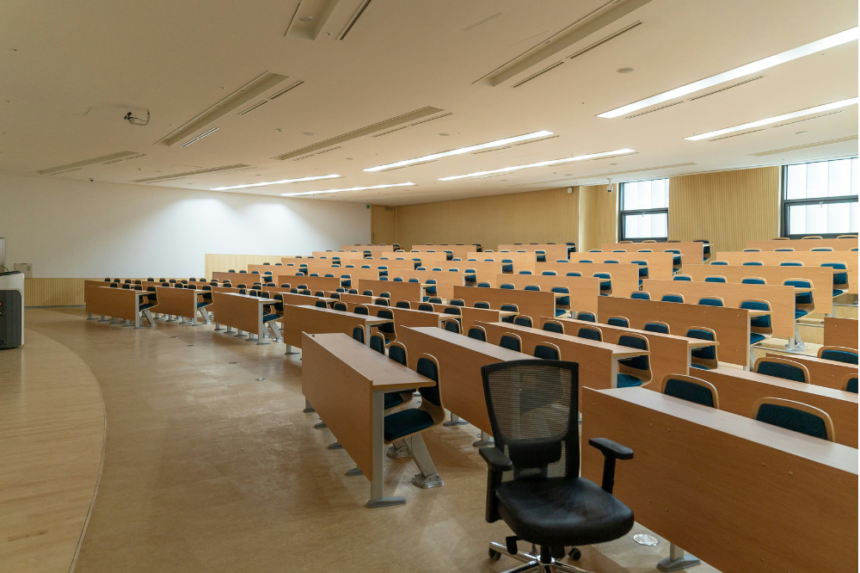
During the pandemic, most university teaching shifted online, with students either returning home or restricted to university accommodation.
Access to facilities was limited, particularly affecting courses requiring specialist equipment, such as fine art or applied arts.
Graduation ceremonies were often virtual or delayed, leaving students entering a challenging job market.
A partner at Asserson Solicitors, Shimon Goldwater, described the learning lost during Covid as “one of the great injustices to come out of the pandemic – and it’s never been remedied.”
The 36 universities to receive pre-action letters include: University of Bath, University of Birmingham, Birmingham City University, University of Bristol, Cardiff University, City, St George’s University of London, Coventry University, De Montfort University, University of East Anglia, University of Exeter, Imperial College London, and University of Kent.
Others include King’s College London, University of Leeds, Leeds Beckett University, University of Liverpool, Liverpool John Moores University, London School of Economics, Loughborough University, University of Manchester, Manchester Metropolitan University, Newcastle University, and University of Nottingham.
The rest are Nottingham Trent University, Northumbria University, University of Portsmouth, Queen Mary University of London, University of Reading, University of Sheffield, Sheffield Hallam University, University of Southampton, Swansea University, University of the Arts London, University of the West of England, University of Warwick, and University of York.
Pre-action letters note that students “suffered disappointment and distress as a result of the failure of the university to provide the services promised.”
Claims relate to the academic years 2019-20, 2020-21, and 2021-22, with some courses still partially online during 2022-23.
The deadline for Covid-related claims is September 2026.