
The U.S. Mission in Nigeria has confirmed that Nigerian students with valid F1 and J1 visas who are currently maintaining their legal status within the United States are not the targets of the ongoing nationwide enforcement operations.
The assurance comes at a critical time as the Department of Homeland Security (DHS) and Immigration and Customs Enforcement (ICE) intensify efforts to address visa overstays and national security concerns.
Despite the broader crackdown, the U.S Embassy emphasized that the current legal framework protects those who adhere to the terms of their admission.
However, the embassy has been quick to mitigate panic among the thousands of Nigerians currently enrolled in American universities.
This means that Nigerian students with valid F1 and J1 visas already in the country can continue their studies without fear of immediate deportation, provided they remain in good standing with their respective educational institutions.
In a post on X on Monday, the mission disclosed this.
It stated: “Nigerian students and exchange participants with currently valid F1 and J1 visas are not affected by Presidential Proclamation 10998. Students and exchange participants with visas can continue to contribute to learning, research, and innovation at U.S. colleges and institutions.
“Foreign nationals, even those outside the United States, who hold valid visas as of the effective date are not subject to Presidential Proclamation 10998. No visas issued before January 1, 2026, at 12:01 a.m. EST, have been or will be revoked pursuant to the Proclamation.”
The clarification comes ahead of the January 1, 2026 implementation of Presidential Proclamation 10998, titled “Restricting and Limiting the Entry of Foreign Nationals to Protect the Security of the United States.”
Under the proclamation, the United States will partially suspend the issuance of certain visas to Nigerian nationals beginning at 12:01 a.m. Eastern Standard Time on January 1, 2026.
The suspension covers:
- Nonimmigrant B-1/B-2 visitor visas
- F, M, and J student and exchange visitor visas
- Immigrant visas, with limited exceptions
In December 2025, Nigeria is among 19 countries affected by the partial suspension said to come into effect January 1, 2026.
The assurance from the U.S Embassy also comes a few days after the University of Pennsylvania advised its international students and scholars to carry their immigration documents at all times, as federal immigration enforcement activity intensifies across major U.S cities.
In an email dated February 18, Penn’s International Student and Scholar Services (ISSS) reiterated guidance on personal documentation and outlined steps for interacting with law enforcement officers.
The advisory also pointed students to support resources provided by the university’s Division of Public Safety (DPS).
An excerpt of the email statement reads: “As an international student or scholar at Penn, you are lawfully present in the United States,” the message stated, showing the institution’s effort to reassure members of its international community amid heightened scrutiny.
According to the email, international students and scholars moving within Philadelphia are advised to carry photocopies of key immigration records.
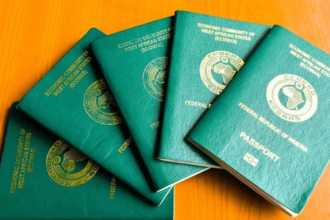
These include the biographical page of an unexpired passport, a valid visa page, and up-to-date immigration documents such as the I-20 and I-94 forms.
Students participating in Optional Practical Training (OPT) were advised to keep digital copies of their Employment Authorization Document (EAD) card and OPT-endorsed I-20, as well as any applicable approval notices from the U.S. Citizenship and Immigration Services (USCIS). Permanent residents were similarly encouraged to carry a copy of their green card.
For travel outside Philadelphia, ISSS emphasized that students should carry original immigration documents rather than photocopies, reflecting stricter requirements that may be encountered during intercity or interstate travel.