
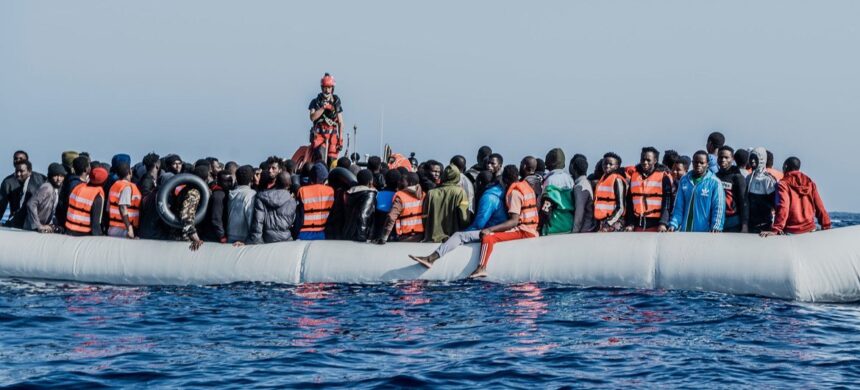
The landscape of migration in Nigeria has been taking new turns as over 60,300 migrants have returned to Nigeria from dangerous routes since 2017, the International Organization for Migration (IOM) has reported.
It was gathered that the 60,300 migrants returned to Nigeria from dangerous routes after receiving assistance from the IOM in collaboration with the Federal Government.
This development is an indication of the growing preference for safe, dignified returns over the life-threatening risks of the Sahara Desert and Mediterranean Sea.
Sharon Dimanche, IOM’s Chief of Mission in Nigeria, disclosed this during a media engagement in Benin City.
She noted many returnees were survivors of exploitation and abuse along dangerous migration routes.
“These returns were carried out under programmes to rescue migrants trapped along irregular migration routes and support their reintegration into society.
“Across Nigeria, over 60,300 migrants have returned with IOM’s assistance since 2017, many survivors of exploitation and abuse along dangerous migration routes,” Dimanche said
Beyond facilitating a safe return, the organisation also helps migrants rebuild their lives through economic reintegration, psychosocial support, and livelihood assistance, she explained.
According to her, migration remains a significant humanitarian and development issue in Nigeria, hosting around 3.7 million internally displaced persons due to conflict and disasters.
“Supporting them with shelter, water, protection, and basic services is essential,” she stressed.
IOM’s work in Nigeria focuses on three key priorities: saving lives during migration crises, assisting displaced people in rebuilding their lives, and promoting safe migration pathways.
She warned that many young Nigerians still embark on risky migration journeys due to limited economic opportunities.
“Too many young people still risk their lives on dangerous journeys believing there is no other option. Migration should never be a desperate gamble.
“It should happen safely, legally, and with dignity.
“Migration, when properly managed, can significantly contribute to development but requires collaboration between governments, international organisations, communities and the private sector, she said.
She acknowledged the role of state governments and partners in supporting reintegration programmes and awareness campaigns reducing irregular migration.
“Millions of Nigerians have also been reached through campaigns educating communities on irregular migration risks and safer migration opportunities.
“These figures show progress, but they also remind us that the needs remain very real,” Dimanche stated.
She called for sustained support from partners and donors to strengthen migration management and reintegration programmes nationwide.
Pan-Atlantic Kompass reports that this data comes as surveys have been showing a trend that Nigerians have considered emigrating from foreign countries.
The survey had shown that the desire to emigrate is particularly strong among young people, urban residents, and highly educated Nigerians. About 71% of those with post-secondary education, 63% of urban residents, and 60% of citizens aged 18 to 35 say they have considered leaving the country.
Pan-Atlantic Kompass also reports that the International Organization for Migration is the United Nations agency responsible for promoting humane and orderly migration, supporting migrants during crises, and helping governments manage migration challenges.
In Nigeria, the organisation works on humanitarian assistance for migrants, support for internally displaced persons, and programmes aimed at promoting safe and legal migration pathways.