
The United States (U.S).government has announced a move to expand social media vetting to more visa categories.
The new development will become effective on March 30, 2026. This move broadens the scope of U.S visa social media vetting to include 14 additional non-immigrant visa (NIV) categories, ranging from fiancé(e) visas to religious workers.
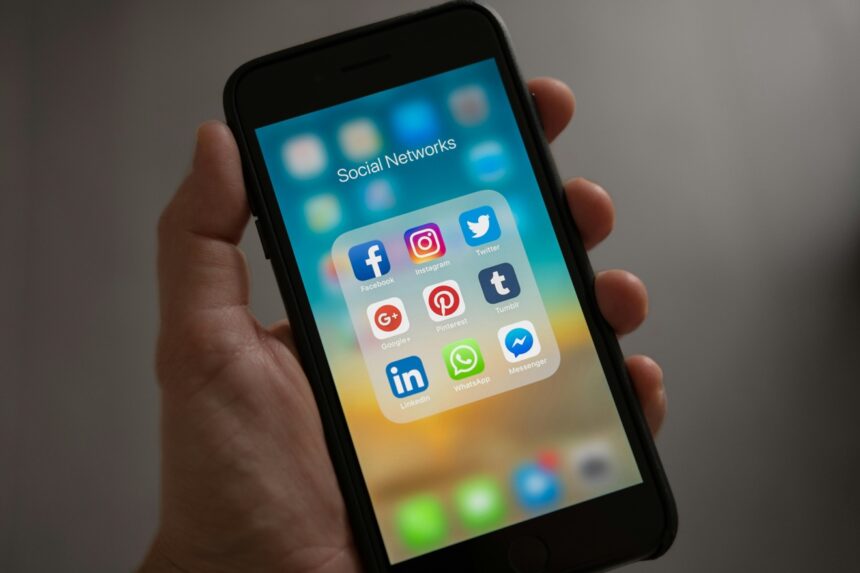
Under the new policy, applicants are not only required to disclose their social media handles from the past five years but also to set their profiles to “public” or “open” to facilitate a comprehensive review by consular officers.
The move to expand social media vetting to more visa categories was contained in a public notice issued by the U.S Department of State.
The updated rule applies to applicants in the following visa categories, such as A-3, G-5 – domestic workers of diplomats or international officials; C-3 – domestic workers in transit; H-3 and H-4 (dependents of H-3) – training visa and dependents; K-1, K-2, K-3 – fiancé and family visas, among others.
When the policy to expand social media vetting to more visa categories begins, applicants must set social media accounts to public so consular officers can review social media posts and activity, online profiles, public digital presence, and other internet activity linked to the applicant.
The statement reads: “Effective March 30, the Department of State will expand online presence review to include applicants in the following additional nonimmigrant visa classifications: all A-3, C-3 (if a domestic worker), G-5, H-3, H-4 dependents of H-3, K-1, K-2, K-3, Q, R-1, R-2, S, T, and U. These are in addition to the H-1B applicants and their dependents, and the F, M, and J student and exchange visitor visa applicants already subject to this review. Information on the purpose of travel for these visa classifications is on our website.
“To facilitate this vetting, all applicants for A-3, C-3 (if a domestic worker), G-5, H-3, H-4 dependents of H-3, K-1, K-2, K-3, Q, R-1, R-2, S, T, U, H-1B, H-4, F, M, and J nonimmigrant visas are instructed to adjust the privacy settings on all of their social media profiles to “public” or “open.”
“The Department uses all available information in visa screening and vetting to identify visa applicants who are inadmissible to the United States, including those who pose a threat to U.S. national security or public safety. We conduct thorough vetting of all visa applicants.
“Every visa adjudication is a national security decision. The United States must be vigilant during the visa issuance process to ensure that those applying for admission into the United States do not intend to harm Americans and our national interests, and that all applicants credibly establish their eligibility for the visa sought, including that they intend to engage in activities consistent with the terms for their admission. A U.S. visa is a privilege, not a right.”
Pan-Atlantic Kompass reports that the development comes after the U.S government under the administration of President Donald Trump introduced social media screening last year.
Initially, the policy affected visa categories below;
- F, M, J visas (students and exchange visitors) since June 2025
- H-1B and H-4 visas since December 2025
But an update has expanded the rule to more visa categories.
Below is the complete list of visa categories where applicants may be required to keep their social media profiles public;
- A-3 Domestic Worker Visa: For personal employees of diplomats or government officials
- C-3 (Domestic Workers) Transit Visa: Domestic workers travelling with foreign officials in transit
- F Student Visa Academic students studying in the U.S.
- M Student Visa Vocational or technical students
- J Exchange Visitor Visa Exchange programs such as internships or research
- G-5 Domestic Worker Visa: Employees of an international organisation staff
- H-1B Work Visa Skilled foreign professionals
- H-3 Training Visa Trainees in special education or structured training programs
- H-4 Dependent Visa Dependents of H-1B or H-3 visa holders
- K-1 Fiancé Visa Foreign fiancé of a U.S. citizen
- K-2 Dependent Visa Children of K-1 visa applicants
- K-3 Spouse Visa Spouse of a U.S. citizen awaiting immigrant visa approval
- Q Cultural Exchange Visa Cultural exchange program participants
- R-1 Religious Worker Visa Ministers or religious workers
- R-2 Dependent Visa Dependents of R-1 visa holders
- S Witness Visa Individuals assisting law enforcement
- T Human Trafficking Victim Visa Victims of trafficking assisting investigations
- U Crime Victim Visa Victims of certain crimes assisting law enforcement
Following the development, applicants under these visa categories should expect possible delays in visa processing because officers now have to double-check all applications.
This is part of the Trump administration’s initiative to vet all immigrants coming into the U.S.
Since his inauguration into office for the second time, Trump has been implementing several immigration policies, including cracking down on those considered illegal migrants in the U.S.