
Following weeks of heightened tension that threatened to send energy costs into a tailspin, millions of Nigerian citizens are beginning to see a glimmer of hope as global markets react to a temporary U.S-Iran ceasefire deal.
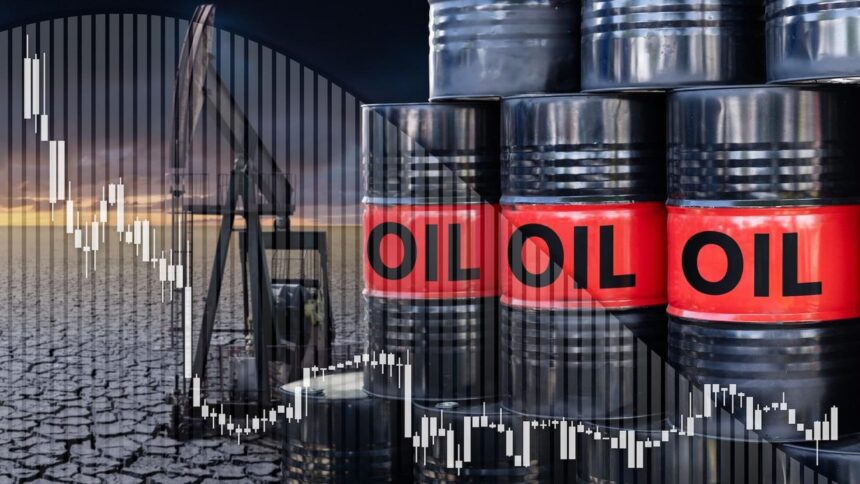
The impact of the U.S.-Iran ceasefire on Nigeria’s economy is expected to be significant, as Brent crude futures plummeted by over 15% on Wednesday, April 8, 2026, dropping to approximately $92.90 per barrel.
U.S-traded oil was also more than 15% lower at $95.75.
However, the oil prices remain significantly higher than before the conflict started on 28 February. At the time, it was trading at around $70 a barrel.
Pan-Atlantic Kompass had reported that oil prices have been skyrocketing after oil and gas supplies from the Middle East have been severely disrupted.
Iran threatened to attack ships trying to use the Strait in retaliation for U.S and Israeli airstrikes.
This, in turn had a ripple effect in Nigeria as the pump price of fuel is selling between N1,300 and N1,400 across the country.
Meanwhile, Nigerians have begun to hope that the prices will start coming down in the next few days.
This is as Trump on Tuesday evening said: “I agree to suspend the bombing and attack of Iran for a period of two weeks… subject to the Islamic Republic of Iran agreeing to the COMPLETE, IMMEDIATE, and SAFE OPENING of the Strait of Hormuz”.
He had set a deadline for 20:00 EDT on Tuesday (00:00 GMT on Wednesday), threatening that “a whole civilisation will die tonight” if no deal was reached.
Iranian Foreign Minister Abbas Araghchi said on social media that Tehran will agree to a ceasefire “if attacks against Iran are halted”, adding that safe passage through the Strait of Hormuz “will be possible”.
Despite his threats, Trump was likely to be wary about letting energy prices “skyrocket” by escalating the conflict, said Xavier Smith from market research firm AlphaSense.
That could have led to a “self-inflicted economic wound” that few would risk, especially given the looming pressure of approval ratings on Trump’s leadership, said Smith, a research director.
More oil tankers stranded near the strait may be able to pass through the waterway during the ceasefire, providing some relief for markets in the coming weeks, said analyst Saul Kavonic from financial services firm MST Marquee.
Despite the conflict, some ships have passed through the Strait of Hormuz, although far fewer than usual.
Asian countries – including India, Malaysia, and the Philippines – have negotiated safe passage for their vessels in recent weeks.
China has also acknowledged that several of its ships have crossed the strait since the war began.