
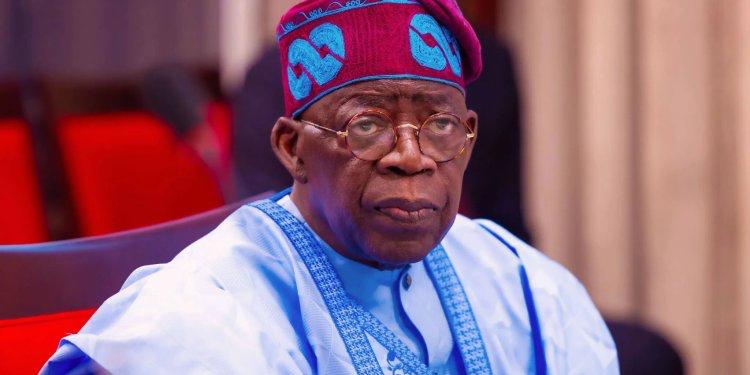
A fresh controversy emerged on Friday after President Bola Tinubu announced the reversal of Usman Dakingari’s Ambassadorial posting to Turkey less than 24 hours after the appointment was publicly announced.
Dakingari, a former governor of Kebbi State was announced as Nigeria’s ambassador-designate to Turkey, in a statement issued late Thursday by Bayo Onanuga, Special Adviser to President Bola Tinubu on Information and Strategy.
His name was among three other ambassadorial-designate approved for posting by the President.
According to that announcement, Retired Colonel Kayode Are, former Director-General of the Department of State Services (DSS), was named ambassador-designate to the United States; Ayodele Oke, former Director-General of the National Intelligence Agency (NIA), was posted to France; Amin Dalhatu, former Nigerian ambassador to South Korea, was appointed high commissioner-designate to the United Kingdom.
Dakingari’s ambassadorial posting drew attention because it came ahead of Tinubu’s scheduled state visit to Turkey next week.
However, in a fresh statement released on Friday by the State House, the presidency announced a change, clarifying that no ambassador had been appointed to Turkey.
The new statement reaffirmed the postings of Are to the United States, Oke to France, and Dalhatu to the United Kingdom, but conspicuously omitted Dakingari’s name, effectively rescinding his appointment.
No reason was given for the sudden withdrawal.
Onanuga further disclosed that Tinubu had formally communicated the appointments of the three remaining ambassador-designates to the Ministry of Foreign Affairs, directing the ministry to notify the governments of the affected countries in line with established diplomatic procedures.
While the reason wasn’t officially communicated, sources within the presidency revealed that the Turkish assignment is considered a professional posting, best handled by experienced career envoys.
Dakingari, a former governor of Kebbi State, is a politician and not a career diplomat, which reportedly prompted the decision to rescind his appointment.
Also, some diplomatic observers have noted that the entire episode reflects a deeper procedural issue.
Many diolomats have pointed out that under international diplomatic practice, the Nigerian president does not have the unilateral power to “post” ambassadors to foreign countries.
Rather, the president nominates and recommends ambassadors, subject first to Senate confirmation and ultimately to the acceptance, known as agrément, of the host countries. Until such acceptance is granted, no posting is final.
Against this backdrop, analysts describe the presidency’s initial announcement that Tinubu had “posted” ambassadors to the United States, France, the United Kingdom and Turkey as a diplomatic misstep. They argue that the language suggested a level of authority that rests instead with host nations, which retain the right to accept or reject any ambassador-designate.
This context has also led to speculation that Dakingari’s withdrawn posting may not be an isolated case, as other announced deployments could still be altered depending on diplomatic feedback from receiving countries.