
Iran confirmed on Sunday that it has formed an interim council to govern the nation.
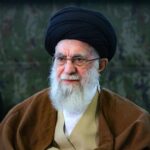
The government of Iran formed the interim council less than 24 hours after the killing of Supreme Leader Ayatollah Ali Khamenei in a massive joint military operation by the United States and Israel.
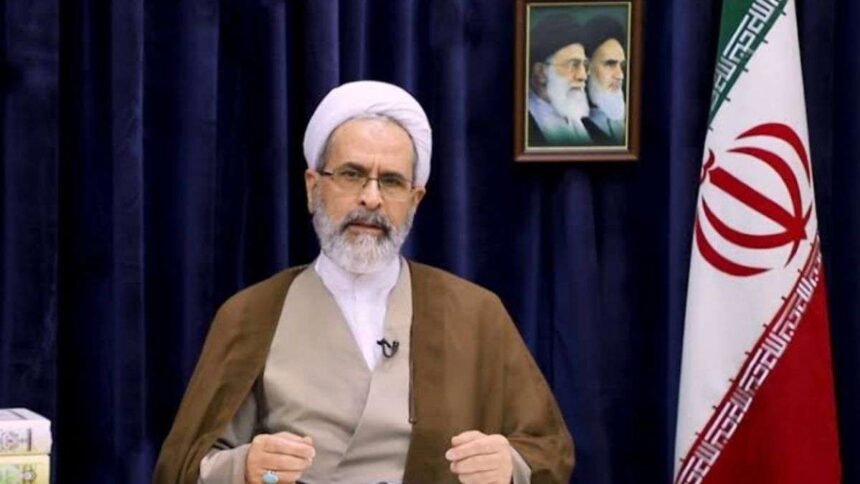
According to the state-run IRNA news agency, Iran named President Masoud Pezeshkian, Judiciary Chief Gholam-Hossein Mohseni-Ejei, and Ayatollah Alireza Arafi, a prominent jurist from the Guardian Council, to the interim council.
Under Article 111 of the Iranian Constitution, this body is mandated to oversee state affairs until a permanent successor is chosen.
Arafi, a member of a powerful constitutional watchdog, was confirmed to the council by the Expediency Council, a powerful arbitration body.
A spokesperson for the Iranian Ministry of Foreign Affairs confirmed that Arafi was elected alongside President Masoud Pezeshkian and Chief Justice Gholamhossein Mohseni Ejei to oversee the supreme leader’s duties until a permanent successor is chosen.
Although the leadership council will govern in the interim, the Assembly of Experts “must, as soon as possible,” pick a new supreme leader, according to the Iranian constitution.
Pan-Atlantic Kompass reports that Arafi was born in 1959 in the Yazd province, Alireza Arafi is a product of Iran’s most prestigious religious institutions. His education in Qom under the tutelage of eminent scholars allowed him to achieve the rank of mujtahid, a status that grants him the authority to issue independent legal rulings. Unlike outsiders who might challenge the status quo, Arafi’s career has been defined by his steady rise within the system, gaining the deep trust of the late Ayatollah Khamenei over several decades.
Arafi’s credentials extend far beyond the pulpit; he has held pivotal roles that blend education with political oversight. As the former head of Al-Mustafa International University, he managed the training of clerics on a global scale, and his 2019 appointment to the Guardian Council solidified his influence over national legislation and candidate vetting. These positions provided him with the institutional leverage necessary to emerge as the choice for interim leadership when the sudden need for a successor arose following the events of February 28.