
The United States (U.S) Department of Labor (DOL) has officially released a Notice of Proposed Rulemaking (NPRM) which is set to increase the minimum wages for H-1B foreign workers.
The U.S federal initiative to increase minimum wages for H-1B foreign workers seeks to ensure that the compensation of non-immigrant professionals aligns more closely with the market rates paid to their American counterparts.
The proposal, submitted by the U.S Department of Labor to the Office of Management and Budget, is still under review and has not been made public.
However, early indications suggest it seeks to increase prevailing wage levels across multiple visa categories, including H-1B, H-1B1, E-3, and PERM labour certification programmes.
At the centre of the proposal is the “prevailing wage” system, which determines the minimum salary employers must offer foreign workers based on job role, experience level, and geographic location.
The current framework uses a four-tier wage structure, and any upward revision would raise salary thresholds across all levels.
If implemented, the changes could make it more expensive for U.S employers to hire foreign talent, particularly for entry-level roles.
Reports note that higher wage requirements may reduce the number of lower-paid positions available under the H-1B visa programme, potentially limiting opportunities for early-career professionals.
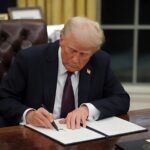
This is not the first attempt to revise wage thresholds for foreign workers. In 2021, the administration of U.S President Donald Trump introduced a rule that increased wage percentiles across all four levels, with entry-level wages rising from the 17th to the 35th percentile and top-tier wages from the 67th to the 90th percentile. That rule, however, faced legal challenges and was later withdrawn.
This development also follows other recent restrictive measures, including a newly implemented $100,000 fee for certain H-1B petitions and a “weighted lottery” system that prioritizes higher-paid applicants.
The potential policy shift is expected to affect several widely used work visa pathways. The H-1B visa, one of the most sought-after, allows U.S companies to employ foreign professionals in specialised fields such as technology, engineering, healthcare, and finance.
The H-1B1 visa applies to citizens of Chile and Singapore, while the E-3 visa is reserved for Australian nationals in similar professional roles. The PERM labour certification process, a critical step in employer-sponsored green cards, could also be impacted.
For employers, higher prevailing wages typically translate into increased labour costs, which could discourage smaller firms from sponsoring foreign workers. For skilled professionals, however, the changes may lead to improved compensation packages, even as competition for fewer roles intensifies.
The proposal remains under federal review, and full details are expected to be disclosed once it is published in the Federal Register. At that stage, stakeholders will be able to submit public comments before a final rule is adopted.