

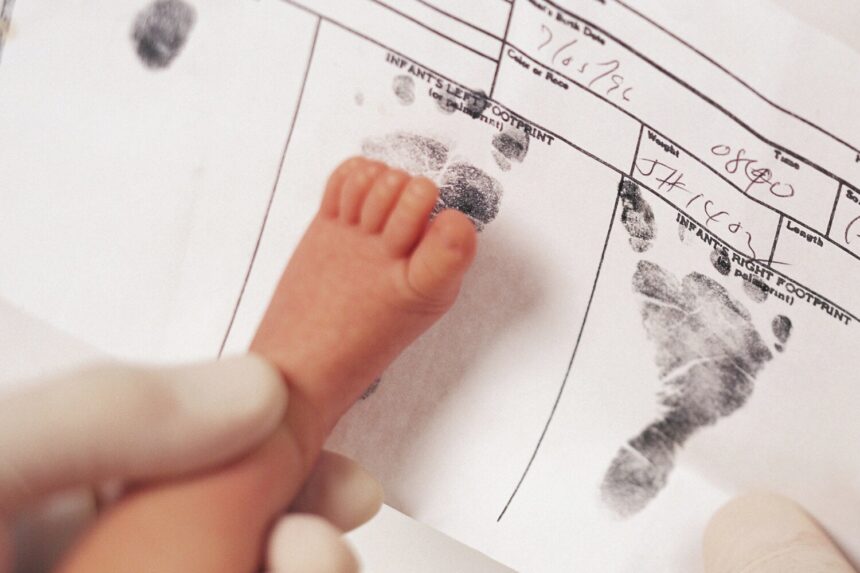
Immigration policies of several Western countries have been changing over the years, prompting families to start investigating international options for citizenship by birth for their children’s future.
Citizenship by birth is one of the most sought-after benefits by immigrants.
Pan-Atlantic Kompass reports that citizenship by birth is a legal principle known as jus soli (right of the soil).
This allows a child to automatically acquire the nationality of a country simply by being born on its territory. While many nations have moved toward stricter requirements, a significant number of countries still offer this “golden ticket” to newborns.
Below are five countries where obtaining citizenship by birth is notably accessible;
Brazil
Brazil stands out as one of the world’s most accessible destinations for unconditional birthright citizenship, granting automatic nationality to any child born on its soil. With the sole exception of children of foreign diplomats, every baby delivered in Brazil is immediately recognized as a citizen.
This broad jus soli policy has made the country a key destination for “birth tourism,” as it also creates pathways for parents. Foreign parents of a Brazilian-born child are eligible for permanent residency and may qualify for accelerated naturalization, in some cases after just one year of residence.
U.S
While the U.S is currently offering an easy citizenship by birth pathway, the administration of President Donald Trump is working to close that channel.
Under U.S. law, anyone born in the country and subject to its jurisdiction is considered a citizen at birth, regardless of their parents’ immigration status.
However, the policy has come under renewed scrutiny in recent years. Under the administration of Trump, there have been efforts and proposals aimed at restricting birthright citizenship, particularly for children born to undocumented immigrants or temporary visitors.
Canada
Canada operates one of the world’s most straightforward birthright citizenship systems, granting automatic citizenship to most individuals born on its soil. In general, anyone born in Canada is considered a citizen at birth, with a birth certificate serving as official proof.
However, there are limited exceptions. Children born to foreign diplomats or officials with special privileges are not granted citizenship automatically.
Canada also extends citizenship by descent. Individuals born outside the country may qualify if at least one parent was a Canadian citizen at the time of their birth.
Mexico
Mexico offers a flexible citizenship-by-descent system, allowing individuals born anywhere in the world to claim nationality if they have a Mexican parent. Unlike strict birthright systems, citizenship is not always automatic and often requires formal registration.
Children born in the United States or other countries to a Mexican father or mother are eligible to be recognized as Mexican citizens. To formalize this status, parents or guardians must register the child through a Mexican consulate, providing documents such as birth certificates, proof of the parents’ Mexican nationality, and valid identification.
Dominica
The Commonwealth of Dominica offers multiple pathways to citizenship, including birth, parentage, marriage, and residency. Citizenship applications are processed through the Ministry of National Security, Labour and Immigration, and require completion of official forms obtained from the Labour Division.
Applicants must submit supporting documents, including a birth certificate, police record, medical certificate (including HIV test), proof of residence or work permit, passport copies, photographs, and, in some cases, a marriage certificate and testimonials.
An initial application fee of EC $250 and additional stamps for forms and the oath of allegiance are required.
If the Minister for Foreign Affairs, Immigration and Labour approves the application, the applicant must take an oath of allegiance and pay a registration fee of EC $2,000.
Dominica’s citizenship process combines legal documentation, personal verification, and ministerial approval, making it structured and formal. Interested individuals can contact the Labour Division in Roseau for guidance and application details.