
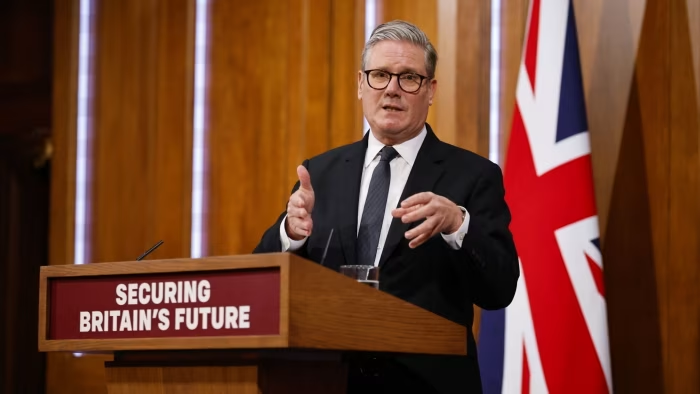
United Kingdom (UK) Prime Minister Keir Starmer is reportedly set to step down from his position as early as Monday, June 22, 2026, setting the stage for a dramatic and orderly exit from Downing Street.
According to a bombshell report by The Observer, Starmer has reportedly decided to step down as UK PM after concluding that his position was no longer tenable.
It was also gathered that the decision was made after an intense, high-stakes consultations with cabinet ministers, political advisers, major donors, and trade union leaders.
According to reports, Prime Minister spent the weekend at his Chequers country residence with his wife, reflecting on his political future before delivering a formal statement.
While Starmer successfully led the Labour Party to a landslide victory in July 2024, his premiership has faced a swift and brutal decline in popularity.
Insiders point to a few critical factors that collapsed his authority. The turning point was said to have come after high-profile rival Andy Burnham won the Makerfield by-election, carving a direct, aggressive path back to Westminster.
Also, high-level officials have been jumping ship. Former Health Secretary Wes Streeting resigned, and junior ministers like Jess Phillips and Miatta Fahnbulleh stepped down, publicly criticizing Starmer’s lack of a bold vision.
However, a government source said Starmer remained focused on his job and pointed to previous statements he has made to that effect.
The British leader said on Friday he would fight any challenge to his leadership and urged Labour not to tear itself apart with infighting.
Starmer led the centre-left Labour Party to a landslide election win in 2024 but has become deeply unpopular after a series of scandals and policy U-turns, which have given many voters the impression that he cannot deliver the improvements to their standards of living that he promised.
If he were to quit or be ousted, it would mean the country installing its seventh prime minister in just over a decade – the highest turnover in nearly two centuries, reflective of anger at successive governments’ failures to improve public services and tackle issues like illegal immigration.
More than 100 elected lawmakers in Starmer’s party – roughly a quarter of all Labour representatives in the House of Commons – have publicly said they want him to quit or set out a timetable for his exit, according to a Reuters tally.
Burnham, a 56-year-old career politician, is seen by many in Labour as the most likely successor to Starmer – whether through a negotiated transfer of power or a formal leadership contest.
Having built a power base within Labour as mayor of Greater Manchester in northern England, he comfortably saw off the threat from Nigel Farage’s right-wing populist party to win an election for a vacant parliamentary seat on Friday.
Burnham did not immediately make a formal challenge to Starmer but used his victory address to promise a new path for the country. His allies have urged Starmer to agree to step down and hand over power voluntarily.