
Millions of Nigerians across major commercial hubs are bracing for a fresh wave of petrol price increases and rising cost-of-living pressures as global crude oil prices hit $100 per barrel on Thursday.
Oil prices hit $100 a barrel for the first time since May as the escalating conflict in the Middle East reignited fears over global energy supplies.
The global surge, fueled by geopolitical flashpoints in the Middle East, commercial shipping bottlenecks near the Strait of Hormuz, and supply disruptions across key maritime corridors, has created a severe economic scenario for Africa’s top petroleum producer.
While a $100 crude price significantly expands Nigeria’s foreign exchange inflows, government revenue, and fiscal buffers, it simultaneously escalates domestic refined fuel costs.
Following the complete removal of the petrol subsidy and the full deregulation of the downstream energy market, domestic pump prices remain directly tethered to international crude benchmarks and foreign exchange valuations.
Brent crude – the global benchmark for oil prices – rose more than 6% on Thursday following several days of increases as the U.S stepped up military strikes against Iran.
Prices spiked after Houthi militia in Yemen attacked oil tankers in the Red Sea, threatening a key export route that Saudi Arabia has used to bypass the Strait of Hormuz.
This development comes after a short-lived relief for Nigerians in terms of fuel costs.
Oil prices had been falling following a temporary ceasefire between the U.S and Iran.
They dropped back to levels last seen before the U.S and Israel began military action against Iran on 28 February.
However, the ceasefire has failed, and this week U.S Secretary of State Marco Rubio said the people in charge in Iran were “not ready to make a deal”.
The ongoing conflict risks pushing up inflation for many countries, including the UK and the U.S, leading to higher prices for consumers.
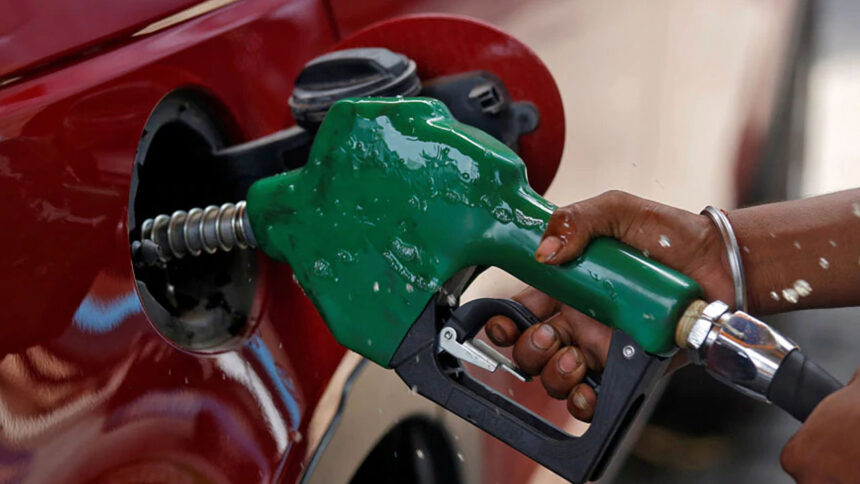
Higher oil prices typically lead to petrol and diesel becoming more expensive.
While drivers are affected directly, households could also see prices of other goods, such as food, increase due to businesses passing on higher transportation costs to customers.