
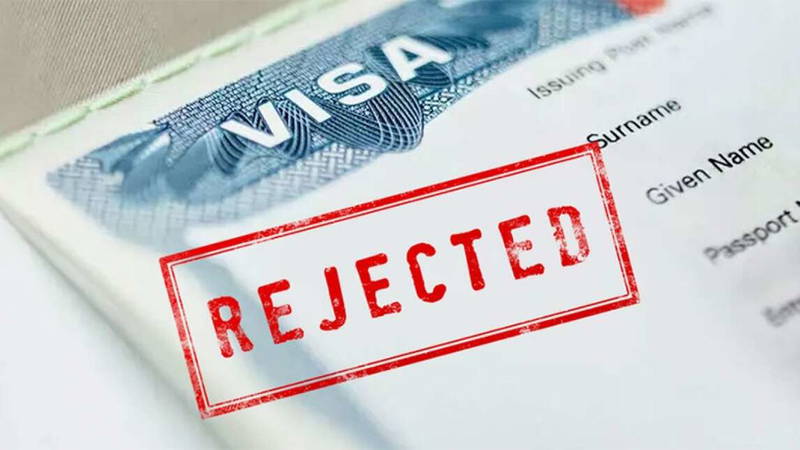
In today’s fiercely competitive global mobility landscape, visa applications get rejected at rates that continue to shock Nigerian applicants.
Nigeria has been consistently ranking among the countries facing the highest visa refusal levels worldwide, as thousands of aspiring travellers, students, and professionals lose precious time, money, and opportunities every year.
Recent 2025–2026 data on visa applications globally paints a sobering picture. Nigeria’s Schengen visa rejection rate stood at 45.9% in 2024 (up from 40.8% the previous year), while U.S. B-visa adjusted refusal rates for Nigerians hit 57% in fiscal year 2025.
UK visitor visa refusals for Nigerians exceed 30%, and Canadian study permit approvals have hovered around 45–52% in recent cycles.
Pan-Atlantic Kompass in this report highlights reasons visa applications get rejected.
Here are seven of the most common mistakes;
1. Inconsistent or incorrect application details
Small errors in names, dates of birth, passport numbers, or travel history are the most common reasons visa applications get rejected.
These errors trigger instant red flags for visa officers. These inconsistencies suggest carelessness or, worse, an attempt to mislead — both of which kill applications before they are even deeply reviewed.
Nigerians often fall into this trap because of variations in name spellings, differing date formats (DD/MM/YYYY vs. MM/DD/YYYY), or mismatched details between the DS-160, online forms, and supporting letters. A single typo can make your entire file look unreliable.
Fix: Copy every single detail straight from your valid passport and biometric page. Double-check every field before submission. Use the same spelling and format across all documents. Before hitting “submit,” have a trusted second pair of eyes review your forms. This single habit alone eliminates one of the fastest routes to refusal.
2. Weak proof of funds
One-page bank statements, unexplained large deposits, or a thin financial history are among the quickest ways visa applications get rejected. Officers need to see that the applicants can genuinely support themselves without becoming a public burden or overstaying.
In Nigeria, irregular income from business, family support, or cash-based transactions often raises suspicion. A sudden N5 million deposit without a salary history or business proof looks like “sponsorship for immigration intent” rather than legitimate savings.
Fix: Submit 3–6 months of consistent bank statements (preferably from a reputable bank), recent payslips or business financials, tax receipts (ITR), and a clear sponsor letter if someone is funding the applicants. For students, include proof of tuition payment and living expenses.
Accredited financial advisers or chartered accountants can help draft supporting affidavits that tie everything together convincingly.
3. Poor evidence of ties to Nigeria
Visa officers must be convinced the applicant will return home after the trip. Without strong ties to Nigeria, even a perfect financial file can fail. Many young Nigerians struggle here. Officers see limited employment history, no property ownership, or weak family obligations, and assume immigrant intent.
Fix: Build an iron-clad “ties package.” Include: Current employment letter on company letterhead stating position, salary, leave approval, and return date.
CAC registration documents and business bank statements if self-employed.
Property documents (land title, C of O, or rent receipts).
School records for children, marriage certificates, or family affidavits.
Evidence of ongoing community or professional commitments.
4. Submitting fake or altered documents
Falsified bank statements, fake employment letters, or photoshopped invitations cause immediate denial, and often a 5–10-year ban across multiple countries.
Consulates use sophisticated verification tools and cross-checks with Nigerian authorities.
Fix: Use only genuine, verifiable documents. Never alter dates, amounts, or signatures. Work exclusively with accredited application centres like VFS Global or TLScontact. These centres provide document checklists, upload assistance, and biometric services that add an extra layer of credibility.
5. Ignoring country-specific requirements
Missing mandatory documents or failing to follow the exact embassy guidelines is a silent killer. A small error in any documents can cost an applicant. Many students forget that every country has specific admission and visa requirements and failing to meet them can result in rejection.
For example:
The UK student visa requires a valid Confirmation of Acceptance for Studies (CAS), tuberculosis test results (if applicable), and proof that you meet the English language requirement.
Canada study permits demand a detailed study plan explaining how the program fits your career goals, plus proof of financial stability for tuition and living expenses (now often CAD $20,635+ for the first year).
U.S. applications hinge on a meticulously completed DS-160 and clear non-immigrant intent.
Schengen visas require comprehensive travel insurance covering the entire Schengen area, a detailed day-by-day itinerary, and hotel bookings or invitation letters.
Fix: Always download the latest checklist directly from the official embassy or VFS/TLScontact website for your destination. Tick every item off before booking your appointment. For students, ensure the offer letter, transcripts, and English test results (IELTS, TOEFL, or Duolingo) align perfectly with the program.
6. No travel history and weak supporting evidence
First-time travellers face heightened scrutiny because they lack a proven track record of compliance. Without previous visas or trips, officers rely entirely on the applicant’s current file to assess credibility.
Fix: Strengthen your application with a crystal-clear itinerary, return flight booking, hotel reservations, and most importantly robust home ties (see point 3). If you have any previous international travel (even ECOWAS countries), include stamps or old visas. For business or conference trips, add invitation letters and conference agendas. A well-organised file can compensate for a limited travel history when every other element demonstrates a strong intent to return.
7. Reapplying without fixing the refusal reason
Submitting the same weak documents after a refusal almost guarantees another denial. Many applicants simply pay the fee again hoping for a different officer.
Refusal letters (especially under U.S. Section 214(b) or Canadian “purpose not established”) spell out exactly why you were denied. Ignoring that feedback wastes time and money.
Fix: Read the refusal note word-for-word. Address every single point raised. Gather stronger evidence, update your cover letter to explain changes, and only reapply when your file is materially improved. Some applicants wait 3–6 months to show new financial activity or employment stability. If the refusal was serious (misrepresentation), seek professional advice before resubmitting.
In conclusion, visa applications get rejected far too often because of preventable errors rather than outright ineligibility. By avoiding these seven pitfalls inconsistent details, weak funds, poor ties, fake documents, ignored requirements, weak supporting evidence, and repeated unaddressed refusals, Nigerians can improve their success rates.