
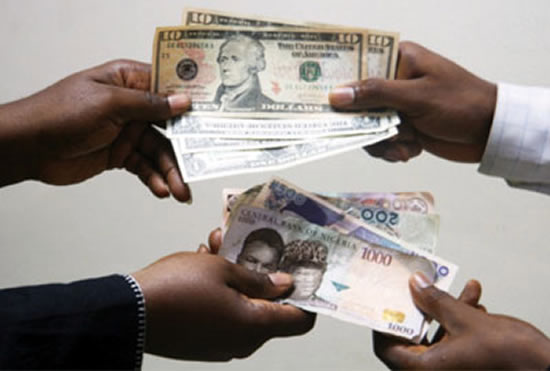
Over the recent weeks, the Nigerian Naira has been holding its ground against the United States Dollar.
The Dollar-Naira battle has been intensifying as the Naira has seen recent gains against the Dollar, showing signs of relative stabilization compared to the sharper volatility of prior years.
The official/Nigerian Foreign Exchange Market (NFEM) rate hovers around ₦1,350–1,380 per USD, with recent daily closes in the ₦1,360–1,374 range.
Parallel/black market rates sit somewhat higher often ₦1,390–1,420 according to reports, though the premium has narrowed due to improved liquidity.
Year-to-date in 2026, the Naira has posted modest gains or held firmer than many African peers, ranking as the second-best performing currency against the USD on the continent, only behind the Zambian kwacha in some assessments
Why the Naira Has Shown Resilience in 2026
Several factors contribute to this. The reforms by the Central Bank of Nigeria have been largely credited for the gains of the Naira in the Dollar-Naira battle.
Continued unification of exchange windows, weekly dollar auctions/sales to boost liquidity, clearance of FX backlogs, and a “willing buyer, willing seller” approach have reduced distortions. External reserves have stabilized or climbed toward the $50–51 billion target, supported by non-oil inflows, remittances, and some recovery in oil/gas earnings.
Additionally, the Dangote Refinery has been having an impact on the Dollar-Naira exchange rate. Full-scale operations of the Dangote Refinery have cut Nigeria’s reliance on imported refined petroleum products, easing a major FX demand pressure point.
High interest rates (CBN’s tight stance) have helped attract foreign portfolio inflows and supported the currency, even as the apex bank targets eventual single-digit inflation and greater stability.
Improved FX liquidity from policy tweaks and some export/non-oil gains have allowed modest appreciation or stability early in the year (e.g., trading near ₦1,350–1,430 at points).
The Naira has outperformed expectations in some analyst views, with projections for a 2026 band around ₦1,350–1,500 (or tighter in optimistic scenarios).
The Dollar isn’t “crushing” the Naira as dramatically as in 2023–2024 peaks, but it remains dominant because Nigeria’s structural FX supply challenges (oil production volatility, import dependence) persist. Global factors, like Middle East tensions affecting fuel/fertilizer prices, add episodic pressure.
Who’s Paying the Price?
Ordinary Nigerians especially lower- and middle-income households bear the heaviest burden, even with relative Naira stability.
Inflation remains high in Nigeria. Pan-Atlantic Kompass recently reported that headline inflation eased significantly from 34% peaks in late 2024 to around 15% by early 2026, but ticked up to 15.38% in March 2026 (first rise in 11 months).
Food inflation, though lower year-on-year, stays elevated month-to-month, driven by transport costs, fuel prices (up sharply amid global events), and supply issues. Staples like yams, cassava, and vegetables feel the squeeze.
Also, poverty rates hover near 62–63%, affecting over 140 million people. Easing inflation helps at the margin, but real purchasing power erosion from prior devaluations lingers. High borrowing costs and uneven growth (services/ICT-led, while agriculture/manufacturing lag) limit broad-based relief. World Bank notes risks to poverty reduction from renewed price pressures.
While a stronger Naira helps affordability for imports, persistent double-digit inflation and structural weaknesses mean everyday life for Nigerians feels expensive.
The Dollar-Naira battle isn’t over. The Naira has clawed back some ground in 2026 through policy discipline and luckier inflows, narrowing the gap versus worst-case fears.
However, sustainability depends on sustained oil/gas output and prices, fiscal prudence deeper structural fixes, boosting agriculture/productivity, cutting import dependence, improving security for farming, and enhancing FX market depth.
In conclusion, the Dollar is still “winning” in absolute terms (one USD buys over 1,350 Naira), but the Naira is fighting more effectively than before. The real price is paid in eroded living standards for millions of Nigerians. True victory requires not just currency tweaks, but an economy that produces more, imports less, and grows inclusively.