

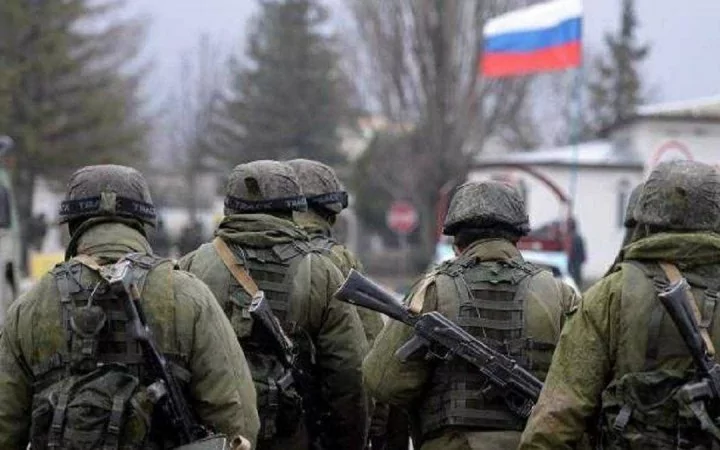
A staggering new investigation has revealed the grim human cost of foreign recruitment in Eastern Europe, confirming that over 316 Africans have been killed in the Russia-Ukraine war between 2023 and 2025.
Investigation also revealed that more than 1,400 African youths, including citizens of Nigeria, Ghana, Kenya, Uganda, and South Africa, were allegedly recruited by Russia-affiliated agents to fight for Moscow in the ongoing war against Ukraine between 2023 and 2025.
This was contained in a comprehensive report titled “The Business of Despair” by the Swiss-based investigative group INPACT.
The report said at least 316 Africans have been killed after being lured into the conflict under the guise of lucrative employment or educational opportunities to fight the Russia-Ukraine war.
The report highlights a systematic “strategy of attrition” where vulnerable young men from 35 different African nations are funneled into the Russian military.
These recruits, often lacking prior combat experience, are reportedly used as “cannon fodder” in high-intensity assault waves.
Investigations show that for many of these men, the average length of service before being killed in combat was a harrowing six months, with some dying just 30 days after signing their contracts.
According to the report: “At least 1,417 Africans joined the ranks of the Russian army between 2023 and 2025, while no fewer than 316 lost their lives on the Ukrainian front.”
The findings appear to contradict repeated denials by Russian officials and diplomats across Africa, who have consistently dismissed allegations that African nationals were being drawn into the conflict.
In December 2025, during a press conference in Accra, Ghana, Natalia Krasovskaya stated that African students sent to Russia were “safe,” while portraying relations between Russia and African countries as balanced and mutually beneficial.
Similarly, on February 10, 2026, the Russian Ambassador to Nigeria, Andrey Podyelyshev, denied reports that Nigerians were being recruited to participate in the war, describing such claims as misleading and unrelated to the Russian government.
However, testimonies from affected youths and emerging reports from several African countries appear to challenge those official positions.
The INPACT investigation suggested that some recruitment networks may have operated through educational and cultural exchange channels, including institutions commonly known as “Russian Houses,” which promote the Russian language, culture, and academic cooperation across the continent.
The report noted that while these centres officially provide legitimate services such as language training, scholarships, visa support, and student placement in Russian institutions, concerns have been raised that some may also have served as contact points for recruitment into military service.
In Ghana, for instance, the report cited academic partnerships involving institutions such as Novosibirsk State Technical University.
It is alleged that 272 Ghanaian nationals were serving in the Russian military, with at least 55 reportedly killed in Ukraine.
The report further claimed that casualty figures in some countries may be higher than previously estimated.
In Kenya, for example, deaths were initially put at 10, but updated figures now indicate at least 16 fatalities.
The latest revelations have intensified calls for greater transparency from Russian diplomatic missions and affiliated organisations operating in Africa.
Analysts say the growing controversy raises urgent questions over the safety of African students and job seekers travelling to Russia, as well as the true nature of some exchange and mobility programmes promoted on the continent.
With concerns mounting, observers insist that those overseeing such initiatives must provide clear explanations and assurances to African governments, families, and the wider public.
African governments are now grappling with how to respond to this trafficking crisis. Cameroon has already moved to restrict foreign travel for lower-rank soldiers following a surge in desertions to Russia, while Kenyan intelligence officials have labeled the recruitment as a “human trafficking scam.”