
The United Kingdom (UK) government has formally committed to introducing under-16s social media restrictions by the end of 2026.
Following the close of a high-profile national consultation, the UK’s Prime Minister Keir Starmer stated that the government intends to move “very quickly” to codify these protections into law.
The upcoming changes mark a significant escalation in the state’s approach to digital safety, transitioning from corporate self-regulation to strict legal mandates.
The legislative vehicle for the crackdown is the newly enacted Children’s Wellbeing and Schools Act 2026, which contains amendments empowering the Secretary of State to regulate internet services accessed by children.
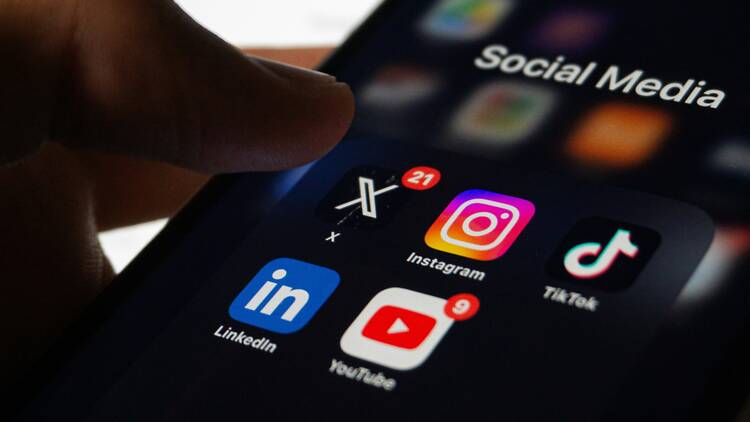
Pan-Atlantic Kompass reports that the UK is consulting on restricting children’s access to social media, including a possible ban for under-16s, as well as curfews, app time limits, and curbs on what it has described as addictive design features.
Australia last year became the first country to ban social media for children under 16, with European countries considering similar measures.
Britain’s online safety law requires social media companies to take measures to protect children from illegal and harmful online content, but the government has committed to going further.
“The question isn’t whether we are going to act; we will, whether that is a ban on social media for the under-16s or restrictions on key features and functions,” UK Technology Secretary Liz Kendall told BBC News.
Ministers face intense pressure from medical professionals and prominent bereaved families who argue that the status quo is entirely unsafe for minors.
Former cabinet ministers and health officials have gone so far as to compare the addictive nature of modern apps to the tobacco industry, demanding an outright prohibition for anyone under the age of 16.
The Academy of Medical Royal Colleges detailed the impact of social media on children in a submission to the government’s consultation on protecting children online, which closes on Tuesday.
“It ranks alongside smoking and wearing seatbelts in cars as a unifying force for the medical profession.”
“There can be few issues which have united clinicians so resoundingly in recent years as the impact that unfettered exposure to tech and devices is currently having on children and young people’s health,” said the body, which represents the UK and Ireland’s 23 royal medical colleges and faculties.
However, the final framework may favor targeted feature bans over a blunt, blanket prohibition. A coalition of major child safety organizations, including the NSPCC and the Molly Rose Foundation, recently urged the government to refine UK social media age restrictions by focusing on “safety by design.”
These advocates warn that a total ban could create a digital “cliff edge,” leaving 16-year-olds completely unequipped to navigate the internet. Instead, they propose blocking under-16s only from platforms that refuse to strip away inherently hazardous features.