
The government of the United States (U.S) has sanctioned Iran over the blockade of the Strait of Hormuz.
The U.S Department of the Treasury’s Office of Foreign Assets Control (OFAC) announced blacklists targeting the newly formed “Persian Gulf Strait Authority” (PGSA).
U.S officials announced that they sanctioned Iran because the PSGA is an ‘illegal’ arm of the Islamic Revolutionary Guard Corps (IRGC), set up primarily to extort commercial shipping lines under the guise of “navigational service fees.”
Pan-Atlantic Kompass reports that the geopolitical landscape has grown increasingly volatile since Iran claimed regulatory jurisdiction over the Strait of Hormuz, a vital channel, drawing sharp condemnation from Western allies.
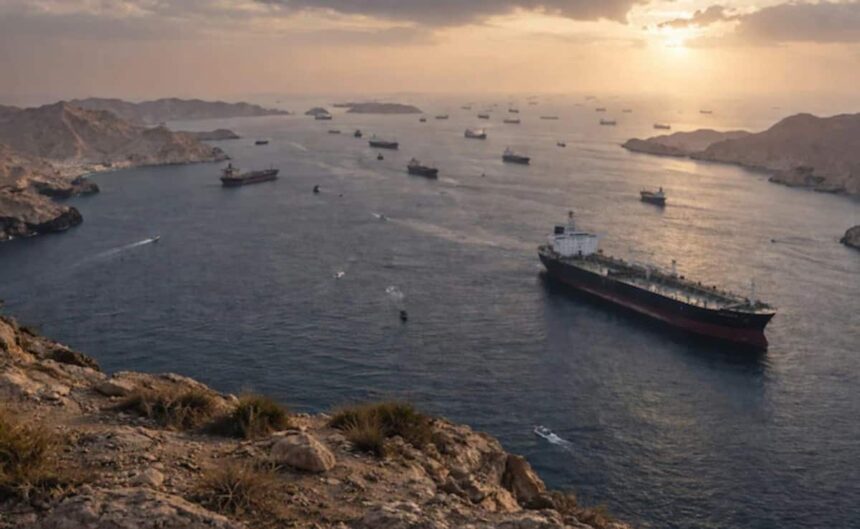
Approximately 20% of the world’s liquefied natural gas and petroleum transits the narrow corridor daily. By demanding that international vessels request permission and pay hefty tolls to pass, the Iranian government has effectively instituted a soft embargo on international waters.
In a public statement accompanying the announcement, Treasury Secretary Scott Bessent clarified that the administration will also treat anyone paying these illegal tolls as a secondary target.
The statement extended the threat of sanctions to anyone paying the fees, because they “may be providing support to and receiving services from” Iran’s Revolutionary Guards, and therefore may “be exposed to sanctions risk.”
“The Iranian military’s latest attempt to extort global maritime trade is proof that Economic Fury has left the regime desperate for cash,” said Treasury Secretary Scott Bessent in a statement.
“Treasury has deprived the Iranian regime of revenue for their weapons programs, terrorist proxies, and nuclear ambitions,” Bessent said.
The statement said the U.S has succeeded in disrupting “tens of billions of dollars’ worth of revenue from being accessible” to Tehran.
In a post to X on May 20, the Persian Gulf Strait Authority issued a map to define its “regulatory jurisdiction,” demarcating red lines on both sides of the Strait of Hormuz that require Iran’s authorization for passage.
U.S and Iranian forces have observed a ceasefire since April 8 while diplomats push for a negotiated settlement, but Iran’s controls have tightened on Gulf shipping through the Strait of Hormuz, and the U.S has launched strikes on Iranian targets in recent days.
Iran’s foreign ministry spokesman Esmaeil Baqaei said Monday that Tehran will continue to manage traffic through the strategic Strait of Hormuz — through which 20 percent of the world’s oil and natural gas transits — and insisted Iran is collecting fees for “navigational services,” rather than imposing tolls.
The war began after the United States and Israel attacked the Islamic Republic on February 28, and saw Iran respond with missile and drone attacks across the region.