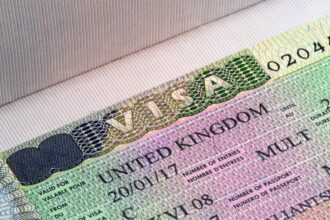

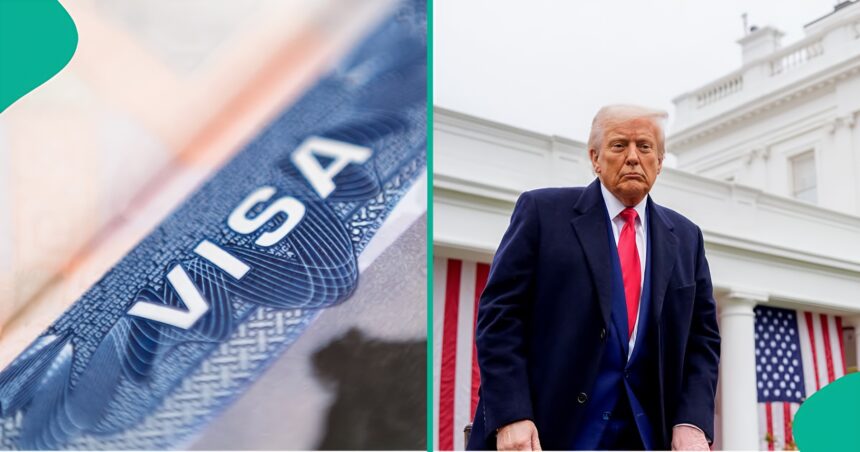
The United States (U.S) Department of Homeland Security (DHS) has finalized a rule that caps visa lengths for students, exchange visitors, and journalists.
The policy shift, announced on July 16, 2026, officially eliminates the decades-old “duration of status” framework for international students (F visas), cultural exchange visitors (J visas), and foreign media representatives (I visas).
Instead of being allowed to remain in the country indefinitely as long as they maintain their enrollment or employment, these visa holders will now be subject to strict time limits.
F-1 Student Visas: Students will be the most affected by the new U.S rule of capped visa lengths. Stays will be capped at a maximum of four years. Students enrolled in programs that take longer (such as doctoral programs or medical degrees) will be forced to apply for formal extensions through DHS.
J-1 Exchange Visitor Visas: Also capped at a maximum of four years.
I-1 Journalist Visas: Foreign media representatives will see their stays capped at a maximum of 240 days (with Chinese nationals restricted further to 90 days).
Reduced Grace Periods: The post-graduation grace period for international students to prepare for departure has been slashed from 60 days to 30 days.
The regulation, which takes effect 60 days after publication in the Federal Register pending congressional review, could impact admissions for college programmes starting in August and September.
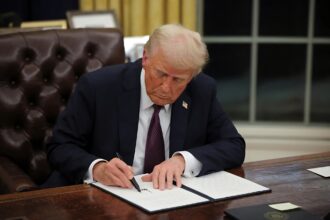
It marks the latest step in U.S President Donald Trump’s broader crackdown on immigration since returning to office in January 2025.
“For too long, past Administrations have allowed foreign students and other visa holders to remain in the U.S. virtually indefinitely, posing safety risks, costing untold amounts of taxpayer dollars, and disadvantaging U.S. citizens,” a DHS news release said when the changes were first proposed last summer.
The administration said the new caps on visa lengths will make it easier to keep track of people on these visas.
“DHS has many examples of students and exchange visitors staying for decades in their student or exchange visitor status,” the rule said.
The department said it had found more than 2,100 people who first entered as students from 2000 to 2010 who still had student status in April this year as they enrolled in new programmes, transferred schools or extended their programme dates to remain in the US.
The rule also tightens restrictions on international students transferring schools or changing academic programmes, particularly at the graduate level.
According to the DHS, there were more than 1.8 million student visa admissions in 2024, up more than 11 percent over the previous year.
The department also said the U.S admitted more than 500,000 exchange visitors and about 37,300 foreign journalists during the 2024 fiscal year, which ended on September 30, 2024.
“The significant increase in the volume of such visitors poses a challenge to DHS’s ability to monitor and oversee these nonimmigrants while they are in the United States,” the department wrote.
It is the latest step in Trump’s broader push to tighten restrictions on both illegal and legal immigration.