
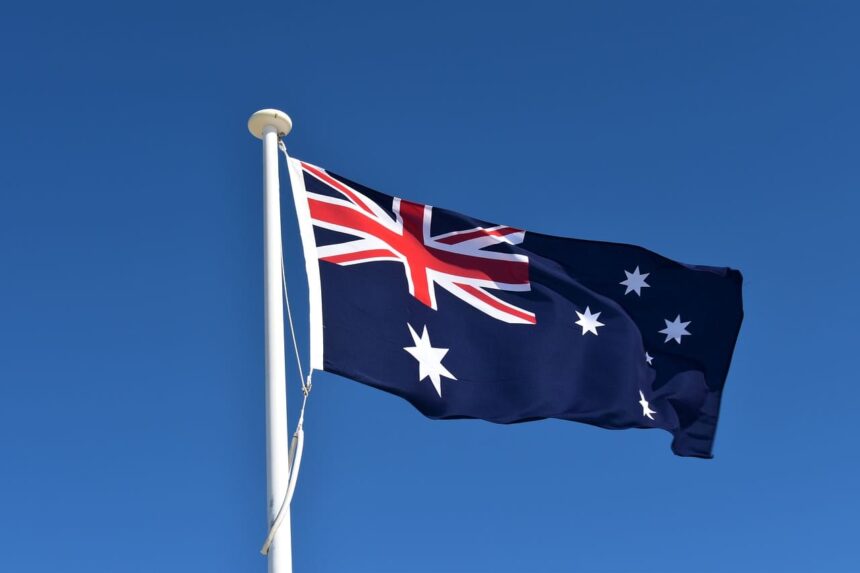
The federal government of Australia has moved to block the country’s private colleges and training organizations from applying to offer new courses to overseas applicants.
The sweeping suspension serves as the latest escalation in the ongoing Australia student visa crackdown, designed to weed out exploitative “ghost colleges” and restore systemic integrity to the nation’s immigration framework.
Under the newly implemented directive, the Australian Skills Quality Authority (ASQA) will halt the processing of applications for new course registrations from private providers.
Government officials in Australia stated that the move to block private colleges from offering new courses
It is critical to give regulators the necessary breathing room to investigate and dismantle non-genuine institutions that use the education system primarily as a backdoor for work rights rather than legitimate training.
The government has argued the move will give the regulator more time to scrutinise existing applications and investigate concerns about poor quality providers and an oversupply of colleges seeking to enter the international student market.
Australia’s visa system and the migration review in 2023 both identified significant integrity concerns with Australia’s international education sector.
Assistant Minister for International Education Julian Hill said Australia remained open to genuine students, but the government needed to protect the country’s reputation for high-quality education.
“Suspending new registrations to teach international students VET or English language onshore is not a decision taken lightly,” he said.
“(It) will allow the government to address integrity concerns about new market entrants and over-saturation in the international VET and ELICOS (English Language Intensive Courses for Overseas Students sectors,” he said.
Mr Hill said it was concerning that regulators were seeing a “rush of new market entrants” for courses and training even as student numbers in some parts of the sector had started to ease.
“Frankly, it raises suspicions,” he said.
“Australia’s continued success as a destination of choice for international students requires a ruthless focus on quality, integrity and student experience.”
The suspension does not affect public education providers, including government schools, TAFE, and Australia’s major public universities.
Providers already approved to teach international students will still be able to add new campuses and update courses when existing qualifications are replaced.
The 12-month pause on new registrations was enabled by legislation passed late last year and forms part of Labor’s broader effort to shut down unscrupulous operators and improve the experience of legitimate international students.
The government has vowed to ensure the migration system supports genuine students and education providers who are “doing the right thing”.
Labor’s decision to suspend new entrants to the private college market comes as major public universities brace for the Coalition to announce plans for significant cuts to foreign student numbers.
Opposition Leader Angus Taylor has said if elected in 2028 he would tie Australia’s net overseas migration rate to housing construction completion, likely setting an intake even lower than that cap to allow for some “catch up”.
The Coalition wants to limit Australia’s net migration intake to only one person per new home built, but would wait until in government to decide what visa types to slash if elected.
Under Labor, the net overseas migration rate for 2025-26 is forecast to be 295,000, dropping to 245,000 next financial year and 225,000 annually beyond that.
But with dwelling completion rates at about 170,000 homes per year, Mr Taylor has indicated the Coalition would cut migration rates to significantly below 200,000.
Mr Taylor has not confirmed where the cuts would come from but has said the government had “lost control” of international student numbers.
Nationals Leader Matt Canavan has called the international visa system a “scam that needs to be scaled back”.
Labor initially sought to impose a cap on international students, but the Coalition and Greens blocked the legislation in the Senate.
The government has increasingly focused on integrity in the existing system and weeding out perceived “dodgy” applicants with the rejection rate for offshore student visas climbing to 40 per cent in March.