
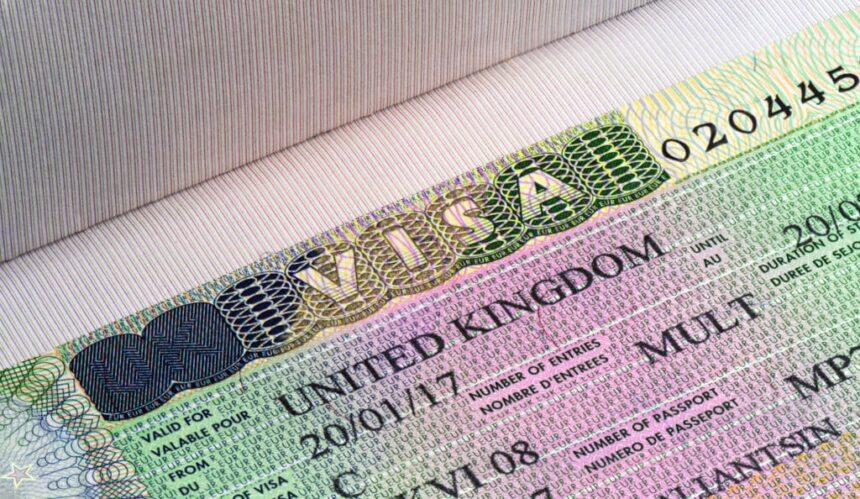
UK study visa applications have continued their sharp decline, with new Home Office data revealing a staggering 40% year-on-year drop in April 2026.
UK government data released revealed a 40% year-over-year decline in study visa applications in April 2026, with 8,900 international students applying to study in the UK, compared to 14,800 the previous year.
The decline brings the total number of applicants from January to April this year down by 33% on 2025, as stakeholders warn of worsening headwinds.
This marks the latest sign of softening international student demand for UK higher education, raising alarms among universities already facing financial strain.
The latest monthly entry clearance statistics confirm what many in the education sector have feared.
The development in April 2026 follows consistent downward trends in UK study visa applications observed throughout the first quarter.
It has been observed that applications for sponsored study visas from main applicants fell significantly due to a combination of policy changes and external factors.
Experts point to several key drivers behind the drop in UK study visa applications. These include the 2024 restrictions on bringing dependents for most postgraduate taught students, increased financial maintenance requirements, higher visa fees effective April 2026, and rising living costs in the UK. Global competition from countries like Australia, Canada, and Germany—some of which have adjusted their own policies—has also diverted prospective students.
The sustained decline in UK study visa applications is creating budget pressures for many institutions. International students contribute billions to the UK economy annually through tuition fees and living expenses. A 40% drop in April exacerbates concerns following reports of 30%+ reductions in earlier months and surveys showing seven in ten universities experiencing lower postgraduate enrolments.
Universities are responding by tightening recruitment practices ahead of new compliance rules, such as the Basic Compliance Assessment framework. This includes more rigorous checks on applicants to maintain low refusal rates and avoid potential sanctions.
Key factors contributing to the decline in UK study visa applications include:
- Dependent visa restrictions — Drastically reducing the appeal for students with families.
- Higher financial thresholds — Students must now show substantial funds for tuition and maintenance (e.g., over £1,500/month in London).
- Increased fees and scrutiny — Visa application costs rose in April 2026, alongside stricter genuine student assessments.
- Global alternatives and perceptions — More affordable or flexible options in other destinations.
- Visa rejections and delays — Rising in certain markets, deterring applicants.
The drop means application levels for the year to April are at their lowest point in five years, down by 11% on 2024 when the government’s dependants ban came into force.
Applications from dependants are 86% lower than in December 2023 before the policy came into effect, as continued declines in skilled workers and health care workers set the UK on track for another year of zero or negative net migration.
The figures precede the Home Office’s upcoming release of wider Q1 visa data expected later this month, with stakeholders watching closely whether high visa refusal rates of Q4 2025 will continue.
They come as it emerged a third of English universities faced deficits last year, with a new report from the regulator warning of the risks of “over optimistic forecasting” of student recruitment, highlighting persistent global volatility.