
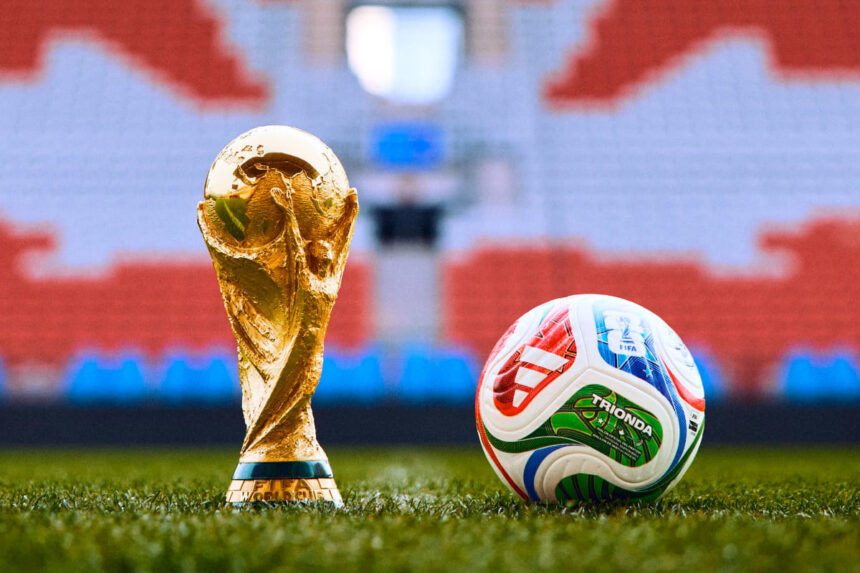
England’s qualification for the 2026 FIFA World Cup Round of 16 is expected to generate a massive financial windfall for the United Kingdom (UK).
A new report reveals that the upcoming 2026 World Cup Round of 16 is projected to generate a staggering £504.6 million for the retail and hospitality sectors.
According to the 2026 World Cup Spending Report by VoucherCodes.co.uk, an estimated 18.7 million British fans are preparing to tune into the next eight high-stakes fixtures.
While pubs and bars are prepping for busy nights, the real winner of the Round of 16 will be UK supermarkets and retailers.
Because of late-night and irregular kickoff times, a massive 95% of viewers (17.7 million people) plan to watch the drama unfold from the comfort of their living rooms.
As a result, retail spending is expected to hit £383.9 million.
Where is the money going?
- Food & Drink: £221.4 million (Supermarket beer runs and watch-party snacks)
- Electricals: £59.9 million (Upgrading to bigger TVs and sound systems)
- Sportswear: £49.8 million (Official retro jerseys and training gear)
- Merchandise: £22.3 million (Flags, bunting, and face paint)
The biggest single economic driver of the entire round is England’s highly anticipated showdown against Mexico, which alone is forecast to generate £395 million.
Because the match kicks off at 1:00 AM Monday morning UK time, 14.3 million fans will be hosting at-home watch parties, driving £310.6 million in direct retail sales for this single fixture.
Speaking on the development, Moji Oshisanya, Chief Commercial Officer at VoucherCodes.co.uk, said: “As the tournament reaches its peak, each knockout game brings higher stakes and increased consumer spending. Due to the 1am kick-off, hospitality venues looking to cash in on this summer’s World Cup action should make the most of extended licensing laws, catering to fans seeking an atmosphere for these later matches.
“With every England game potentially their last, it’s now or never for brands looking to drive purchases of last-minute merchandise or at-home watch-party essentials. Offering limited-time offers or rewards can be a great incentive for consumers who may have been hesitant to spend on the World Cup, but are now eager to get in on the action.”