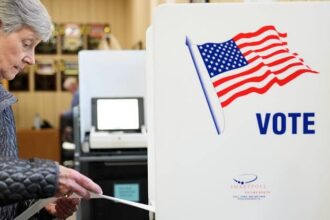

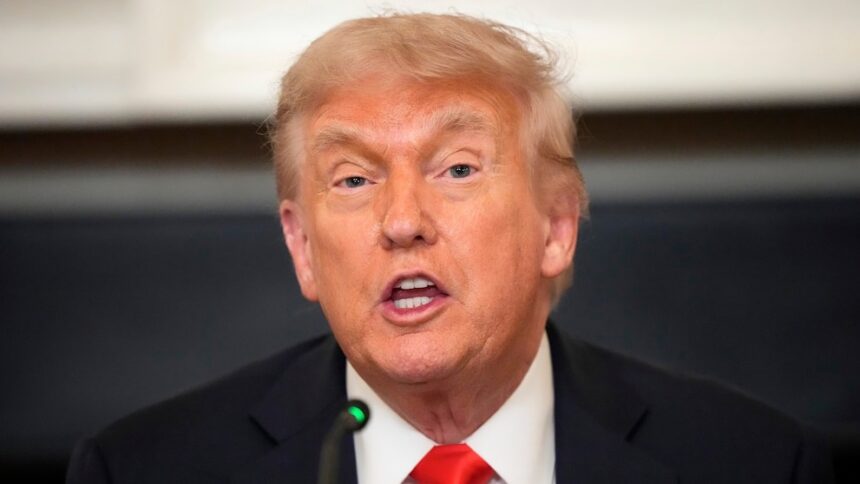
Democrats’ sweep of both chambers of Congress in the November 3, 2026, midterm elections creates a potential check on the United States President Donald Trump’s policies toward international students, though major shifts remain limited by executive authority and the president’s remaining two years in office.
Voters handed Democrats majorities in the House and Senate, including flips in traditionally Republican states such as Kansas.
The results arrive amid declining international enrollments, visa processing challenges, and recent proposals that higher education leaders say threaten post-study work options and campus operations.
International student numbers face headwinds. NAFSA projections earlier indicated potential losses of up to about 111,000 students for fall 2026, with associated economic costs reaching $3.4 billion and tens of thousands of U.S. jobs at risk. Factors include application declines, visa appointment bottlenecks, and policy changes.
Key recent measures include a Department of Homeland Security proposed rule (around early October 2026) that would require universities to pay $70,000 for each international student they recommend for Optional Practical Training (OPT) and $30,000 annually for extensions. OPT allows eligible F-1 students temporary work authorization after graduation. Critics argue the fees could make sponsorship unsustainable for many institutions.
Separately, DHS has tightened Curricular Practical Training (CPT) rules, limiting it more strictly to cases where it is a degree requirement. A finalized rule replacing the longstanding “duration of status” approach for F and J visa holders with fixed admission periods was blocked by a federal court and remains under litigation. Visa delays, denials, travel restrictions, and campus immigration enforcement have also drawn concern.
These developments have particularly affected students from major sending countries such as India, where enrollment figures have shown declines and post-graduation pathways to H-1B or longer stays remain uncertain.
Congress holds the power of the purse and strong oversight tools. A Democratic majority could:
• Hold hearings and investigations into agency practices at DHS, USCIS, and related offices.
• Resist or block new restrictive legislation on student visas, OPT, CPT, or H-1B pathways.
• Influence funding and appropriations that affect visa processing capacity or enforcement priorities.
• Apply political pressure that may slow or modify certain executive actions.
Speaking on how the midterm elections could affect Trump’s immigration policies, Miriam Feldblum, president and CEO of the Presidents’ Alliance on Higher Education and Immigration, said the results “underscored that voters are paying attention to fairness and common sense talk and proposals.”
“The next Congress will have an important opportunity to examine the cumulative effects of visa delays and denials, travel restrictions, immigration enforcement impacting campuses, and limits on practical training,” she added.
The Democratic victory means that the Trump administration will face greater opposition in Congress, making it harder to pass legislation without Democratic support. They will also be able to block or delay presidential appointments requiring Senate confirmation, and could force the White House to negotiate over legislation.
Fanta Aw, CEO of NAFSA, said the results would not change the organisation’s “unwavering” mission to champion international education, advocate for students and scholars, defend the value of global engagement, and stand firmly for the dignity, opportunity and belonging of all.
“International education matters. It is a bridge that connects us to each other and the world, reminding us that our future is strengthened by being part of the world, not apart from it,” she added.