
The United States (U.S) Congress has advanced a legislative measure that could see 50% financial aid to Nigeria withheld.
The move comes as part of the newly introduced legislation, which places Nigeria on a high-stakes watchlist due to persistent reports of religious persecution and mass atrocities.
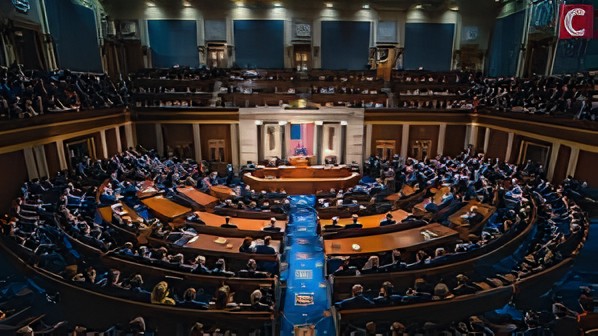
The bill, before the U.S House Appropriations Committee for the Fiscal Year 2027 State Department funding, explicitly mandates that 50% of appropriated aid cannot be released to Nigeria until the U.S. Secretary of State certifies that the Nigerian government is taking “effective steps” to protect its citizens.
This includes responding to violence from insurgent groups, protecting religious minorities, and holding perpetrators of communal violence accountable.
The proposed legislation reflects growing frustration in Washington over the security situation in Africa’s most populous nation.
The provisions are included in the Fiscal Year 2027 National Security, Department of State, and Related Programs appropriations bill, which allocates about $47.32 billion for foreign aid and diplomacy, a reduction of roughly 6 per cent from the previous year.
While the legislation does not earmark a specific funding amount for Nigeria, it introduces new restrictions that could significantly affect disbursement. Under the proposal, 50 per cent of US assistance allocated to Nigeria would be withheld until the Secretary of State certifies that the government is taking “effective steps” to address violence, protect civilians, and hold perpetrators accountable.
Lawmakers linked the measure to concerns over persistent attacks attributed to militant groups, including violence affecting religious communities. The bill also requires Nigerian authorities to prioritise support for victims, particularly internally displaced persons, and to facilitate the safe return and reconstruction of affected communities.
In addition, the legislation calls for investigations and prosecutions tied to armed groups and stipulates that Nigeria must commit matching funds for US-backed programmes, effectively requiring a dollar-for-dollar contribution from its own budget.
A committee statement said the bill aims to “hold foreign governments… accountable for persecuting people of faith,” adding that assistance to Nigeria would be restricted until “measurable actions are taken” to protect vulnerable populations.
The proposed framework also subjects Nigeria to heightened congressional scrutiny. If enacted, the U.S administration would be required to notify Congress at least 15 days before obligating funds for the country, aligning Nigeria with other nations subject to heightened oversight.
This comes hours after a United States lawmaker, Riley Moore, criticised the administration of President Bola Tinubu over what he described as a failure to meet conditions attached to U.S security assistance to Nigeria.
Moore, who represents West Virginia’s 2nd District, made this known in a post on X on Wednesday, urging the US Secretary of State, Marco Rubio, to consider the development when administering upcoming funding cycles.
“In my view, the Tinubu administration has failed to live up to the conditions the appropriations committee placed on security assistance.
“I urge @SecRubio to take this into account in administering both FY26 and FY27 funding,” he wrote.
The reference to FY26 and FY27 relates to the United States fiscal years, which run from October 1 to September 30, covering the next budget cycles during which Congress determines allocations for foreign assistance.
The funding under discussion includes U.S security support to Nigeria, such as military training, equipment supply, intelligence cooperation, and counter-terrorism assistance aimed at tackling threats including insurgency, banditry, and organised crime.
Such assistance is subject to approval by the US Congress and is often tied to conditions, including compliance with human rights standards, accountability in the use of funds, and measurable progress in addressing security challenges.
The development comes as the Nigerian government and the U.S government have intensified collaboration since 2025 over alleged religious persecution in Nigeria.
Recall that U.S President Donald Trump designated Nigeria as a Country of Particular Concern (CPC).