
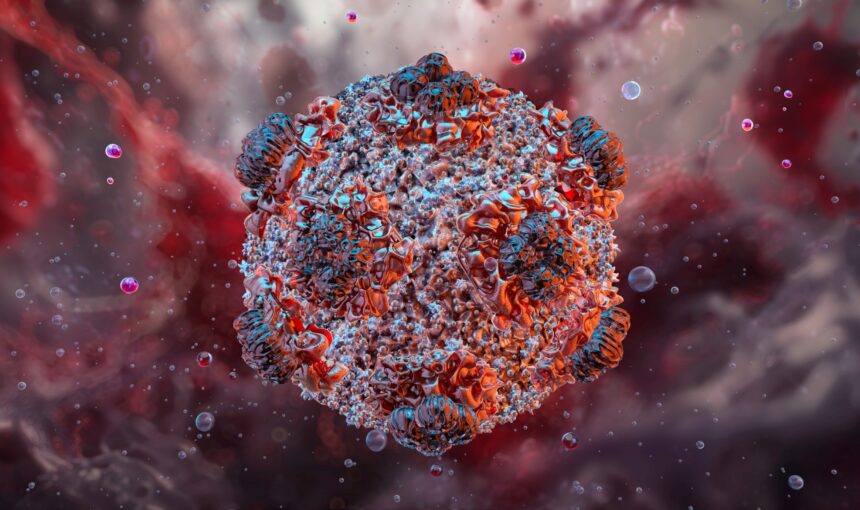
The World Health Organization (WHO).has confirmed the outbreak of hantavirus, a virus involving a cluster of severe respiratory illnesses.
While the primary cases were initially linked to a cruise ship traveling via Cabo Verde and South Africa, the confirmation of the “Andes virus” strain has put health authorities across the continent on high alert.
For Nigerians, understanding this virus is crucial as international travel and local environmental factors play a role in how such diseases spread.
Hantaviruses are a family of viruses spread mainly by rodents. In the current hantavirus outbreak, the specific strain identified is the Andes virus. Unlike many other strains, the Andes virus is particularly concerning because it is one of the few hantaviruses known to allow for rare person-to-person transmission in close quarters.
WHO said the first confirmed hantavirus case linked to the deadly outbreak aboard the MV Hondius cruise ship was infected before boarding the vessel.
The polar expedition ship departed Ushuaia, Argentina, on April 1 for a voyage across the Atlantic to Cape Verde with about 150 passengers and crew.
According to the WHO, the first patient, a 70-year-old Dutch passenger, began showing symptoms including fever, headache, and mild diarrhoea on April 6 before developing respiratory distress and dying on board on April 11.
Anais Legand, a WHO technical expert on viral haemorrhagic fevers, said the timeline showed the man “could not have been infected on the ship, or on one of the islands” visited during the voyage.
Meanwhile, three passengers have died either on board or after travelling on the ship, which set sail from Argentina a month ago.
Four others have been medically evacuated from the ship for treatment.
A huge operation is in place to trace people potentially exposed to the virus who have already taken flights home to numerous countries, including the UK, South Africa, the Netherlands, the U.S, and Switzerland.
In an update on Thursday, Dr Maria Van Kerkhove from the WHO stressed it was not the start of a pandemic, saying: “This is not Covid, this is not influenza, it spreads very, very differently.”
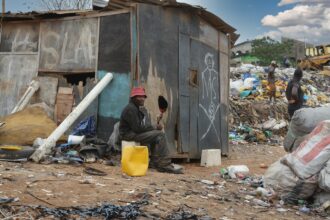
Pan-Atlantic Kompass reports that Hantavirus typically spreads from rodents, with people infected by breathing in air contaminated with virus particles from rodent urine, droppings, or saliva.
The cruise had been visiting remote wildlife areas, so a passenger could have come into contact with the virus then, or before boarding the ship.
Experts have observed the Andes strain spreading between human patients in previous outbreaks, through very close contact, and health experts believe that some of the infections on board MV Hondius may have passed between people.
Even luxury cruise ships have relatively cramped or restricted living conditions, with people sharing cabins and dining areas – places where infections could spread.
People can catch it from someone with whom they spend prolonged time in close physical proximity.
Symptoms usually appear between two and four weeks after being exposed to the virus, but can occur more than a month later.
People ill with the Andes strain can have symptoms similar to flu – a fever, fatigue, and muscle aches. They may also get shortness of breath, stomach pain, nausea and vomiting, or diarrhoea.
Tests exist to diagnose the infection but there is no specific treatment, although early medical support in a hospital can improve survival. Treatment is for the symptoms displayed.