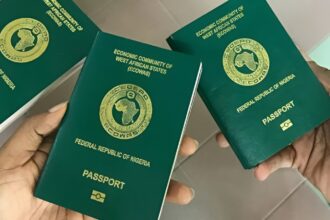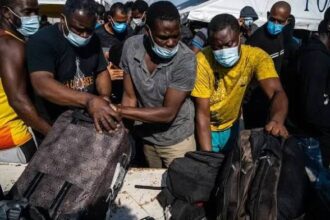

The Federal Government of Nigeria has officially commenced emergency screening procedures to repatriate about 1,000 Nigerian citizens from South Africa.
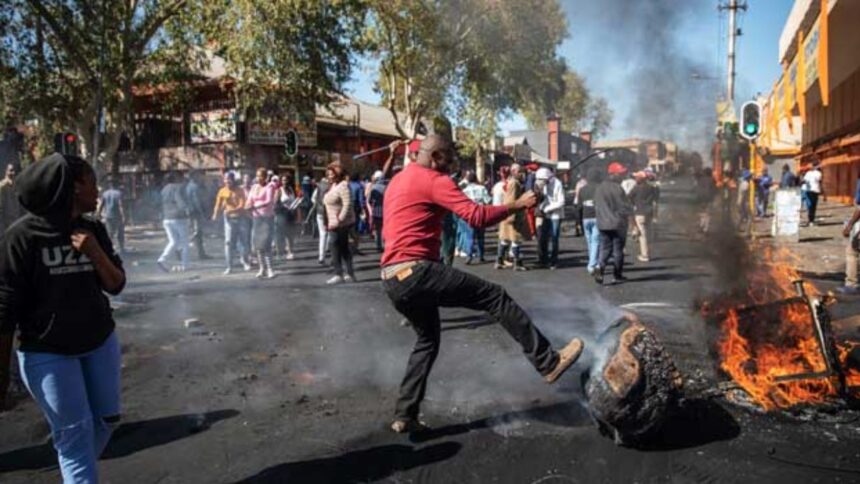
The urgent humanitarian intervention follows a sharp spike in anti-immigrant sentiment and a wave of aggressive local protests that have left foreign nationals fearing for their safety.
On Friday, Nigeria’s Ministry of Foreign Affairs confirmed that a voluntary evacuation portal has been established.
While final figures are still being registered, authorities announced they fully expect the total number of returning citizens to exceed 1,000 individuals.
The move to repatriate Nigerian citizens from South Africa comes after tensions reached a boiling point after a prominent citizen-led activist group issued a strict ultimatum demanding that all undocumented foreigners leave the country by June 30, 2026.
This deadline has ignited fears of coordinated door-to-door mob violence, forcing the Nigerian High Commission in Pretoria to step in before the situation escalates further.
Nigeria’s Ministry of Foreign Affairs confirmed on Friday that screening for a voluntary repatriation programme began on Thursday, with authorities expecting over 1,000 Nigerians to participate.
Foreign ministry spokesperson Kimiebi Ebienfa told AFP that the final number of those seeking to return home had not yet been determined but noted that the figure was expected to exceed 1,000.
“Total figure not out yet,” he said. “We are expecting over 1,000 persons.”
The move follows a similar action by Ghana, which recently repatriated hundreds of its nationals from South Africa amid increasing fears over protests and violence directed at foreign nationals.
In a statement dated Tuesday, Nigeria’s High Commission in Pretoria said it had “negotiated waivers with host authorities” so that those with “immigration-related offences” would be allowed to leave on the eventual repatriation flights rather than be detained.
South Africa, until recently the continent’s most industrialised economy, has long attracted workers from across the region.
But saddled with an unemployment rate of over 30 per cent, it has seen repeated spurts of xenophobic protests — including renewed violence in recent weeks.
The latest tensions have revived uncomfortable debates across Africa about xenophobia, migration, and the gap between pan-African rhetoric and realities facing migration on the continent.
An ultimatum by one citizen-led group for illegal migrants to be expelled by June 30 has raised fears of violence after bouts of anti-immigrant unrest in the past that claimed dozens of lives.
Last month, Ghana repatriated some 300 people, the first batch of what authorities said was expected to be a total of about 800 Ghanaian nationals.
The South African government has said it is stepping up enforcement against undocumented immigrants but urged citizens not to take matters into their own hands.
There are more than three million foreigners living in South Africa, or 5.1 per cent of the population, according to the statistics agency.
More than 63 per cent come from countries in the 16-member Southern African Development Community (SADC) bloc.