
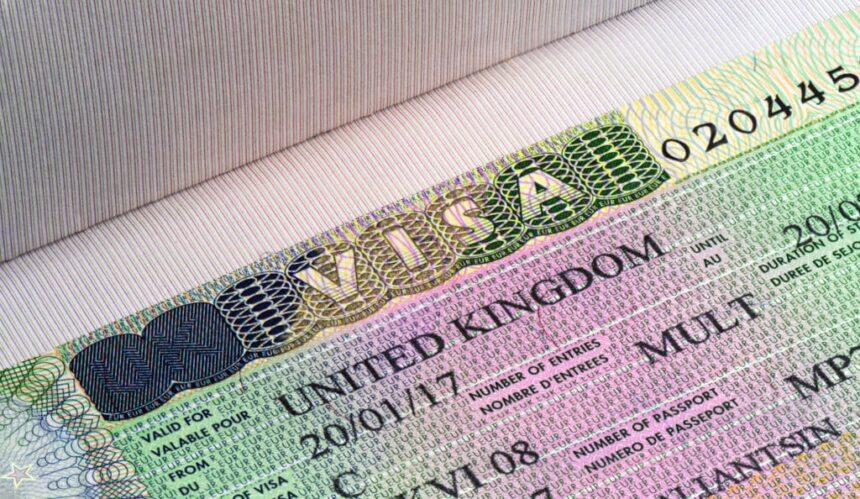
Nigerian and other international students face an increase in the United Kingdom (UK) Student visa maintenance (living costs) funds requirement for applications submitted on or after 30 November 2026.
This stemmed from the UK Home Office’s Statement of Changes to the Immigration Rules HC 584, laid before Parliament in September 2026.
The change applies to the Student
route generally and is not specific to African applicants.
Current rules (applications before 30 November 2026):
– London (City of London + 32 boroughs): £1,529 per month
– Outside London: £1,171 per month
– Maximum accommodation offset: £1,529.
The New Changes
– London: £1,570 a month, up to £14,130 over nine months (previously £13,761).
Outside London: £1,203 a month, up to £10,827 (previously £10,539).
– That is £369 more in London and £288 more elsewhere.
– The change appears in the Home Office’s Statement of Changes, HC 584.
– The date of application decides which figure applies. An application on 29 November uses the old amounts, and one on 30 November uses the new ones.
– The Home Office said the increase keeps the figure in line with maintenance support for home students in 2026/27.
What it means in naira
Market rates in recent weeks have hovered around ₦1,790 per pound. At roughly ₦1,800/£, the new maximums are about ₦25.4m for London and ₦19.5m elsewhere. The extra cost is about ₦664,000 and ₦518,000 respectively.
This is only part of the bill. Applicants must show outstanding course fees plus maintenance. For a £15,000 fee outside London, that could total up to £25,827. There is also the £558 visa fee and a £776 yearly health surcharge.
Proof of Funds Rules
Funds for students applying for a UK visa must generally be held continuously for 28 consecutive days, with the closing balance of the evidence no more than 31 days before the application date.
The balance cannot dip below the required total even for one day. Acceptable evidence includes bank statements (personal, or parent/guardian with consent letter and proof of relationship), official student loans from approved sources, or formal sponsorship letters.
Large sudden deposits shortly before the 28-day window are a common scrutiny point and frequent refusal reason for Nigerian applications.
Pan-Atlantic Kompass reports also that finance is a leading cause of refusals, and many refusals come from paperwork rather than a lack of money.
Funds must be held for 28 consecutive days, and the evidence must be dated within 31 days of applying. Several rules catch Nigerian families in particular:
– Money in another person’s name cannot be used, even with their permission. Parents’ accounts therefore don’t count unless the funds are moved to the student first.
– Overdrafts, cryptocurrency, shares and pensions are not accepted.
– Nigerians must submit proof of funds. There is no exemption for them.
– Refusals count against the university and can threaten its sponsor licence. This links to the licence crackdown that Pan-Atlantic Kompass has already covered.
This development also comes as the UK granted 26,060 study visas to Nigerian main applicants in the year to June 2026, and Nigeria ranks third among recipients.