
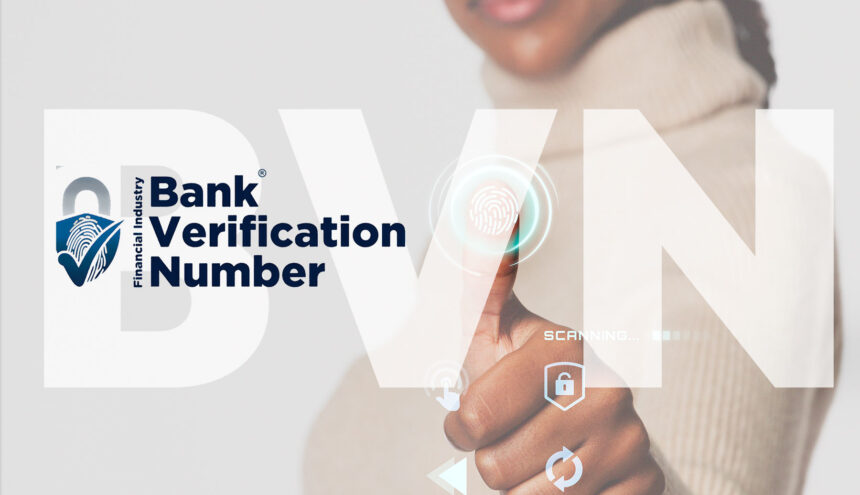
The Central Bank of Nigeria (CBN) has updated the regulatory rules governing the Bank Verification Number (BVN) system.
This move is expected to affect thousands of Nigerians in the Diaspora who still operate Nigerian banks.
Effective May 1, 2026, the CBN explained that it updated BVN rules for Nigerians in diaspora to bolster digital security and curb identity fraud within the national financial ecosystem.
As these new policies take effect, it is critical for account holders living outside Nigeria to understand how these updates will influence their ability to access and operate their local bank accounts.
Pan-Atlantic Kompass reports that the updated directive introduces several measures aimed at strengthening Know Your Customer (KYC) standards.
Among the most notable changes is a strict limitation on updating the phone number associated with your BVN. Moving forward, customers will only be allowed to change their registered phone number once in their lifetime.
This policy aims to mitigate risks associated with SIM-swap fraud, which has become a primary target for cybercriminals.
Furthermore, the CBN has introduced a “24-hour watchlist” protocol. If a BVN is flagged for suspicious transaction patterns, financial institutions are now mandated to place a temporary restriction on the account for up to 24 hours. During this window, banks will contact the account holder to verify the transaction, providing an extra layer of security for funds.
For those living abroad, these changes emphasize the importance of data accuracy.
Because your phone number serves as a critical authentication tool for banking apps and transaction alerts, the new “one-time update” rule makes it essential that your registered number is secure, active, and long-term.
If you are currently using a volatile or temporary line, it is highly recommended to update your records before the May 1, 2026, deadline to avoid future administrative hurdles.
Also, the CBN and Nigeria Inter-Bank Settlement System (NIBSS) have partnered to address challenges around the mandatory physical verification required for Nigerians in the diaspora to obtain a BVN.
The solution known as ‘Non-Resident Bank Verification Number (NRBVN)’ is tailored towards addressing identified concerns that affect diasporas’ remittances and offers digital verification.
The CBN Governor, Olayemi Cardoso, said that through the digital verification and robust know-your-customer (KYC) processes, Nigerians worldwide can remotely obtain their BVN swiftly and securely.
Key Impacts on Nigerians in Diaspora
Remote BVN Enrollment: The NRBVN initiative allows Nigerians living outside the country to obtain a BVN remotely, removing the previous requirement of mandatory physical presence in Nigeria to open or manage accounts.
Enhanced Banking Access: With an NRBVN, individuals can remotely open Nigerian bank accounts, access investments (such as the Non-Resident Nigerian Investment Account – NRNIA), manage mortgages, and access insurance products.
Reduced Remittance Costs: The new framework aims to move remittances from informal channels to formal banking channels, reducing costs and improving security for sending funds home.
Security & Device Restrictions: Similar to residents, Nigerians in the diaspora face new security protocols, such as limits on changing the phone number linked to their BVN and potential restrictions on mobile banking apps when switching devices.
Costs: While enrollment is generally free for residents, the NRBVN remote process for non-residents involves a nominal processing fee (reportedly around $50) for biometric verification.